Seek medical advice from licensed professionals only.

Do not base your healthcare decisions solely on the information contained in this topic. Only your healthcare provider has a full understanding of your condition, its severity, and other comorbidities that may affect healthcare outcomes.

All ailment related topics at Fist Theory™ are designed to help improve communication with your healthcare provider. See Conversations with Healthcare Providers for further information.

If you have firsthand experience with hemorrhoids and would like to provide insight or correct any misinformation in this topic, please contact our team (admin@fisttheory.com).

Hemorrhoids Overview

Cause and Course

Hemorrhoids or hemis are best described as smooth lumps or swollen vessels on the upper or lower side of the first ring. They can be small or large, hard or soft, painful or painless, temporary or long-lasting, shallow or deep (relatively speaking), and may or may not bleed when pressed/squeezed.

They occur when weak or damaged tissue within an area known as the hemorrhoidal plexus cannot fully support blood vessels. As a result, blood vessels will expand with excess blood which causes swelling. The swollen vessel will cause intense pain in external hemorrhoids but will likely be painless in internal hemorrhoids.

Thinner tissue around upper hemorrhoids means they are more likely to break and bleed when pressure is applied.

VOCABULARY

Hemorrhoidal Plexus

  1. Noun A dense network of veins within the anus that creates a seal which prevents continual escape of gas or liquids from the rectum. The plexuses are also responsible for rectal/anal blood drainage.
Hemorrhoidal Plexuses Hemorrhoids
Figure 1.1 [ A — B ]: Healthy and Damaged Hemorrhoidal Plexuses

[ A ] The veinous networks encircling the hole are known as hemorrhoidal plexuses. [ B ] An engorged vein within a plexus will result in an internal or external hemorrhoid.

Bleeding or painful hemorrhoids may prevent fucking, toy play, fisting and sometimes sitting.

In the medical world, hemorrhoids and classified as:

  • External | Occurring below the Dentate Line in the Inferior Hemorrhoidal Plexus. This is a technical way of saying they are shallow and appear around the rim of the hole. They can usually be seen and felt, but in some cases, a swollen hole may disguise the hemi.
  • Internal | Occurring deeper inside the hole, above the Dentate Line in the Superior Hemorrhoidal Plexus. Internal hemorrhoids are staged as follows:
    • Grade I / Mild  | Does not protrude beyond anal canal (non-visible).
    • Grade II / Moderate  | Protrudes during defecation or fisting but retracts into the hole without assistance.
    • Grade III / Significant  | Prolapses during defecation or fisting and must be manually pushed back into the hole.
    • Grade IV / Extreme  | Permanently prolapses and does not retract under any circumstance.

In addition to external and internal classifications, hemorrhoids can have these characteristics:

  • Thrombosed | Filled with clotted blood with a blue, purple, or white coloration, typically associated with external hemorrhoids.
  • Prolapsed | Bulging internal plexus tissues and veins that have dropped or descended outside the hole itself.
  • Bleeding | Draining blood when subjected to pressure (such as fisting or bowel movements).

Hemorrhoids can also be categorized as:

  • Acute | Short-lived, usually healing within a few days or as long as six weeks.
  • Chronic | Long-lasting, usually taking a few months or even a year to heal, with reoccurrence in the same location common.

Injury Indices

Damage to Fist Chute

Low  

Although hemorrhoids may temporarily affect bottoming, it is rare to experience permanent damage.

Surgical and non-surgical methods can be used to resolve hemorrhoids. Surgical interventions can cause significant damage to the fist chute and affect the ability to bottom.

Life-threatening Injury

Extremely Low  

Neither acute nor chronic hemorrhoids result in loss of life.

Extremely rare reports of anemia and sepsis have been linked to severe bleeding. Untreated sepsis is life threatening.

Probability of Condition

High  

Most fisters will experience hemorrhoids in their lifetime regardless of experience level. Hemorrhoids are more likely with insufficient lubrication, extreme fisting (punch or width), heavily textured toys, virgins, or novice fisters.

In some men, gentle fisting or soft toy play can alleviate symptoms. In others, any ass play makes symptoms worse.

Symptoms

Symptoms of hemorrhoids vary based on stage, location, and state. The following symptoms may or may not be present:

  • Internal
  • Deep itching relieved by gentle ass play
  • Blood on tissue paper after defecating
  • Dark red blood streaks after initial penetration
  • Small, smooth bump just past the first hole
  • Mini-danish presentation unrelated to fisting activity (hemorrhoidal prolapse)
  • External
  • Continual, shallow itching
  • Lopsided swelling around the hole
  • Swollen bump visible in the anal verge
  • Pain when sitting, standing, or walking
  • Intense discomfort/pain during play
  • Thrombosed
  • Firm/hard lump on the anus or just inside the hole, usually pea or rice-grain size
  • Visible, blue or purple bump
  • Pain when sitting, standing, or walking
  • Intense discomfort/pain during play

Bleeding with internal hemorrhoids is not uncommon. Fisters should verify the presence or absence of other injuries or ailments before assuming hemorrhoids. Common misclassifications include:

  • Pinkness | Pinkness can be from a wrecked hole (micro tearing) or an STI infection, specifically shigella, gonorrhea, or chlamydia. STIs may (but not always) have an atypical scent or foul order.
  • Red Streaking | Dark or bright read streaking could indicate a fissure, tear, or perforation.
  • Bumps/Lumps | Hard, rough bumps are usually scars or HPV manifested warts. Soft lumps, especially just past the first hole could be syph chancres.
Prolapsed Internal Hemorrhoid
Thrombosed External Hemorrhoid
Skin Tag with Fissure
Anal Condyloma
Figure 1.2 [ A — D ]: Hemorrhoids Compared to Other Ailments

Bumps or protrusions around the anal canal can be hemorrhoids or other anorectal conditions. [ A ] Prolapsed internal hemorrhoid. [ B ] Thrombosed external hemorrhoid. [ C ] Anal skin tag with anal fissure. [ D ] Anal condyloma (from HPV or Syphilis). Fisters should never assume a bump is "just another hemorrhoid.

Risk Factors

Hemorrhoids may occur naturally (an ailment) but may also be caused by the activities of fisting (an injury).

The following are non-modifiable risk factors for developing hemorrhoids:

  • Genetics | A family history of hemorrhoids is a strong indicator of their potential development within a fister.
  • Age | Hemorrhoids can develop at any point in life; however, fisters aged 50 and above have a greater likelihood of development.

There are several modifiable risk factors for developing hemorrhoids:

  • Diminished Physical Fitness | Lack of exercise and obesity create additional pressure within the abdomen, which in turn, increases pressure in the hemorrhoidal plexuses.
  • Poor Diet/Hydration | Low fiber diets and dehydration result in firm stools that require straining to pass. Straining increases general pressure in the abdomen and pressure on the anal canal during defecation.
  • Bathroom Use of Smart Phones | Sitting on the toilet for more than a few minutes puts excessive strain on the hemorrhoidal plexus. Smart phone activities tend to increase toilet time.
  • Excessive Douching | Repeated flushing and disruption of healthy gut flora allows imbalances that affect the firmness of stool and the pressure needed to pass a bowel movement.
  • Intense/Aggravating Play | Rough assplay with highly textured toys or extreme punching causes shearing in the hemorrhoidal plexus, which in turn, leads to weak vessels that cannot drain when engorged with blood.
Extended Toilet Time
Figure 1.3: Mobile Usage on Toilet

Lingering on the toilet causes vascular strain which can cause hemorrhoids.

Treatment

Most fisters do not seek medical treatment for acute hemorrhoids as they will dissipate within a few days or weeks. Because of stigma with STIs, many fisters may incorrectly assume the presence of a bleeding hemorrhoid rather than acknowledge another cause for bleeding, such as chlamydia.

Treatment varies based on the nature of the hemorrhoid (chronic or acute), grade, pain level, access to healthcare, and severity of bleeding. Treatment of chronic hemorrhoids may involve very intrusive means that can affect your ability to bottom.

Address the Cause

Every treatment plan involves addressing the potential causes of the condition.

Healthcare providers will encourage you to alter your fisting practices to decrease trauma to your hole. This may include eliminating rough fisting, punch play, girth/width activities, and the use of highly textured toys.

The generous use of lube before and during your play session can reduce the drag and damage to the mucus membrane often responsible for hemorrhoids. New hemorrhoidal development and repetitive irritation of existing hemorrhoids can be decreased by:

  • Douche Modifications | Lubricating your douche nozzle and your hole with a small dab of lipid- or petroleum distillate- based lube prior to cleaning out decreases hole trauma.
  • Base Coating | Application of an oil-based lube (lipid or petroleum distillate) to your hole at the beginning of your session creates a protective barrier. After application, switch to PEO or water-based lubes that have very little drag.

Finally, increasing intake of water and fiber to prevent hard stools that might irritate your hole. On fisting days, double your fluid intake.

Figure 1.4: Heavily Textured Sea Horse

The prominent ridges of the heavilytextured Sea Horse from Hankey's Toys can cause hemorrhoids, especially with firm pours, rapid pistoning, or limited lube.

Non-medical Interventions

Acute hemorrhoids heal on their own without assistance from your doctor.

To expedite the healing process:

  • Massage with Small, Soft Toys | The slow, gentle pressure of a small diameter toy (6.5 cm [2.5 inches] or less) may speed up recovery. Duration and frequency of this massage should be limited to a few times per week.
  • Apply Sugar to Grade II - IV Hemorrhoids | Apply a dab of petrolatum (Vaseline) mixed with a teaspoon of sugar. The sugar will cause the anal tissue to retract and decrease healing time.
  • Take a Sitz Bath | Sit in a sitz bath with Epson salt three times a day to clean the area and calm the nerves.
  • Employ Natural Remedies | Swallow a handful (10-15) of whole black pepper kernels with a glass of water twice daily. Terpenes from the pepper help decrease inflammation.
  • Apply Cold Packs | Use an ice compress to the hemorrhoid multiple times throughout the day.
Sitz Bath Toilet Seat Adaptor
Figure 1.5: Toilet Seat Sitz Bath

A toilet seat adaptor called a hat allows you to take a sitz bath without using your tub. Simply insert the sitz hat, fill with warm water and Epson salt, and relax for 10 minutes.

Medical Interventions

Common medical treatments include procedural/surgical interventions and pharmacological interventions.

Procedural / Surgical Interventions

A specialist can mechanically address hemorrhoids in the office or in a surgical facility such as a hospital.

Office (Outpatient) Procedures

There are four categories of procedures that can be done in the office as an outpatient visit:

  • Botox Injection | Botulinum toxin (Botox) is injected into the anal sphincter to relax the muscles, reducing pain and discomfort caused by hemorrhoids. Botox does not address or treat the cause, just the symptoms of hemorrhoids.
  • Thrombectomy | A small incision is made to an external hemorrhoid to remove the hard clot causing pain. Like Botox, this treatment addresses symptoms but not the address the cause of hemorrhoid pain.
  • Ligation | A band or loop is applied to hemorrhoidal tissue to restrict blood flow which causes the tissue to shrink, die, and slough away. Tops will feel some scarring (see Hole Damage), especially if multiple bands or multiple procedures are required.

    Procedure Procedure Description Target Hole Damage* Down Time
    Rubber Band Ligation (RBL) In RBL, a rubber band is placed around the base of the hemorrhoid while using an anoscope. The procedure is quick, minimally invasive, and easy to perform (basic skill). RBL is a general, unfocused treatment.
    Type
    Internal
    Grade
    I - IV
    Fibrosis
    Minimal
    Stenosis
    Unlikely
    Total Duration
    1 Month
    Tissue Sloughs
    10 - 21 Days
    Post Slough Healing
    7 - 10 Days
    Hemorrhoidal Arterial Ligation (HAL) HAL involves using an anoscope and doppler ultrasound to locate and ligate the arteries feeding the hemorrhoids, effectively reducing blood flow and causing the hemorrhoids to shrink, die, and slough away. The procedure requires more advanced skills than RBL, and if done incorrectly, may result in hole shrinkage. When done correctly, it is more focused than RBL and less likely to affect your hole's stretching capacity.
    Type
    Internal
    Grade
    I - III
    Fibrosis
    Minimal
    Stenosis
    Unlikely
    Total Duration
    10 - 21 Days
    Tissue Sloughs
    4 - 6 Weeks
    Post Slough Healing
    7 - 10 Days
    Table 1.1: Ligation Methodologies

    Two different ligation procedures (RBL and HAL) can starve the hemorrhoidal tissues of blood and nutrients. The affected tissues die and fall off over time.

    Hole damage in the form of fibrosis (scarring) or stenosis (hole shrinkage) is relative to the amount of procedures completed and grade of the hemorrhoids treated. Repetitive treatments increase the likelihood of stenosis and heavy scarring.

  • Coagulation | Heat, light, or chemicals are applied to hemorrhoidal tissue to cause a controlled tissue injury that leads to clot formation. The clot restricts blood flow, causing the hemorrhoidal tissue to shrink, harden, and eventually slough off. Tops will feel some scarring (see Hole Damage), especially if multiple procedures are conducted or the grade of the hemorrhoid is severe (III or IV).

    Procedure Procedure Description Target Hole Damage* Down Time
    Infrared Coagulation (IRC) In IRC, infrared light is used to thermally damage blood vessels, causing hemorrhoidal veins to clot, shrink and slough away over time. This quick, non-invasive procedure is used for smaller internal hemorrhoids that are painless but bleed when fisting, or for hemorrhoids that prolapse during fisting (somewhat painful).
    Type
    Internal
    Grade
    I - II
    Fibrosis
    Mild
    Stenosis
    Uncommon
    Total Duration
    3 Weeks
    Tissue Sloughs
    7 - 14 Days
    Post Slough Healing
    7 - 10 Days
    Laser Therapy Laser therapy cauterizes hemorrhoidal vessels, which starves the hemorrhoid. After the tissue dies, it sloughs off. Laser therapy is typically used for larger hemorrhoids and can be performed with either local (outpatient) or general anesthesia (inpatient). Healing is usually longer than other non-invasive treatments.
    Type
    Both (I/E)
    Grade
    I - IV
    Fibrosis
    Moderate
    Stenosis
    Moderate
    Total Duration
    5 - 6 Weeks
    Tissue Sloughs
    10 - 21 Days
    Post Slough Healing
    7 - 14 Days
    Sclerotherapy Sclerotherapy involves injecting a chemical that closes off vessels in the hemorrhoid, causing it to shrink and eventually die. Sclerotherapy is typically used for smaller internal hemorrhoids.
    Type
    Internal
    Grade
    I - II
    Fibrosis
    Mild
    Stenosis
    Uncommon
    Total Duration
    3 Weeks
    Tissue Sloughs
    7 - 14 Days
    Post Slough Healing
    7 - 10 Days
    Cryotherapy Cryotherapy involves applying extreme cold to the hemorrhoidal tissue, causing it to freeze and eventually slough off. This procedure is typically used for smaller internal hemorrhoids and has a low risk of complications.
    Type
    Internal
    Grade
    I - II
    Fibrosis
    Mild
    Stenosis
    Uncommon
    Total Duration
    3 Weeks
    Tissue Sloughs
    7 - 14 Days
    Post Slough Healing
    7 - 10 Days
    Table 1.2: Coagulation Methodologies

    Four different coagulation methodologies utilize temperature, chemicals, and mechanical means to treat hemorrhoids. The affected tissues slough off after being deprived of nutrition and blood.

    Hole damage in the form of fibrosis (scarring) or stenosis (hole shrinkage) is relative to the amount of procedures completed and grade of the hemorrhoids treated. Repetitive treatments increase the likelihood of stenosis and heavy scarring.

Hospital (Inpatient/Outpatient) Procedures

In severe cases, surgical removal of hemorrhoidal tissue is necessary with Grade III-IV hemorrhoids that have prolapsed or become thrombosed. While highly effective, these procedures can result in significant fibrosis, stenosis, and a longer recovery period. Post-operative pain and complications such as rectal bleeding and prolapse recurrence are possible.

QUICK REFERENCE
Procedure Procedure Description Target Anal Canal Damage* Down Time
Hemorrhoidectomy Hemorrhoidectomy is typically used for large or Grade III-IV hemorrhoids. The hemorrhoid is removed using a scalpel or laser under local, spinal, or general anesthesia. It is the most invasive option, with a longer recovery time and the potential for long term damage to your hole.
Type
Both (I/E)
Grade
II - IV
Fibrosis
High
Stenosis
Extreme
Total Duration
2 - 4 Months
Tissue Sloughs
2 - 3 Weeks
Post Slough Healing
6 - 8 Weeks
Stapled Hemorrhoidopexy (PPH) Stapled Hemorrhoidopexy uses a circular stapler to remove excess hemorrhoidal tissue and reposition prolapsed hemorrhoids. Risks include rectal bleeding, stapler failure, and the possibility of prolapse recurrence. Complete abstinence from hole play is required until fully healed. PPH can be done internally or externally.
Type
Internal
Grade
II - III
Fibrosis
Moderate
Stenosis
Elevated
Total Duration
1 - 2 Months
Tissue Sloughs
1 - 2 Weeks
Post Slough Healing
4 - 6 Weeks
Hemorrhoidal Artery Embolization (HAE) HAE is a vascular treatment (like sclerotherapy and IRC) that targets arteries. The procedure is performed in the Interventional Radiology department under local or general anesthesia for grade II-III hemorrhoids. The artery is blocked by an embolizing agent, and the hemorrhoidal tissue eventually dies and sloughs off.
Type
Internal
Grade
II - III
Fibrosis
High
Stenosis
Low
Total Duration
3 Weeks
Tissue Sloughs
7 - 10 Days
Post Slough Healing
7 - 10 Days
Table 1.3: Excision Methodologies

Two common surgical removal methods involve full removal with stitching or stapling to reposition prolapsed hemorrhoids.

Hole damage in the form of fibrosis (scarring) or stenosis (hole shrinkage) is relative to the amount of procedures completed and grade of the hemorrhoids treated. Repetitive treatments increase the likelihood of stenosis and heavy scarring.

Always discuss with your healthcare provider and surgeon the importance of fisting in your life prior to taking any surgical interventions. Providers and surgeons may modify their procedures or refer you to other providers to minimize treatments that may prevent you from fisting in the future.

Pharmacological Interventions

Hemorrhoids can be treated with topical medications and oral medications. Oral medications aim to reduce pain and decrease aggravation of inflamed and swollen blood vessels.

  • Topical Medications

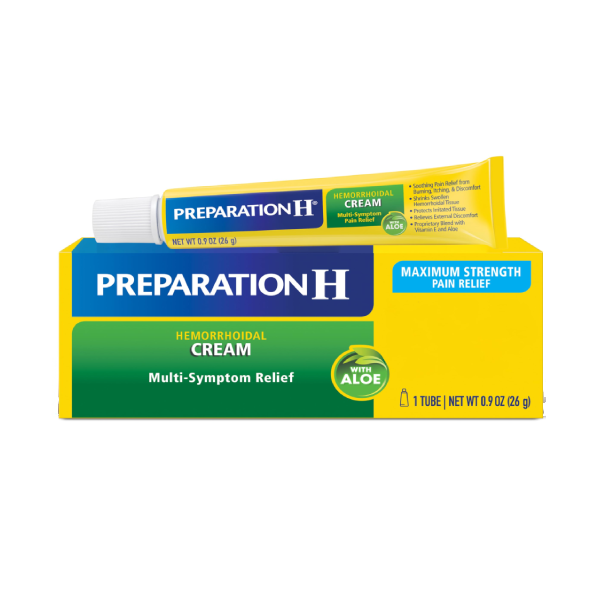
    • Anesthetics | These can help relieve pain and discomfort. Lidocaine ointment or cream is commonly used. Pramoxine is the anesthetic in hemorrhoidal creams such as Prep H.
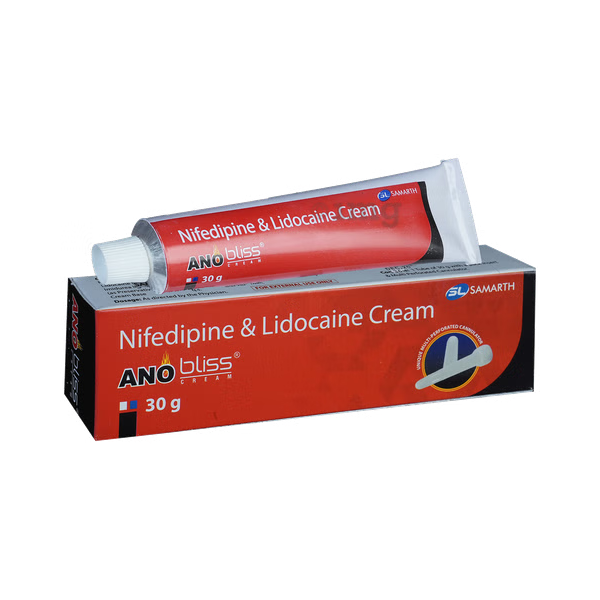
    • Calcium Channel Blockers | Medications like diltiazem or nifedipine help relax the internal anal sphincter muscle, promoting healing and reducing pain.
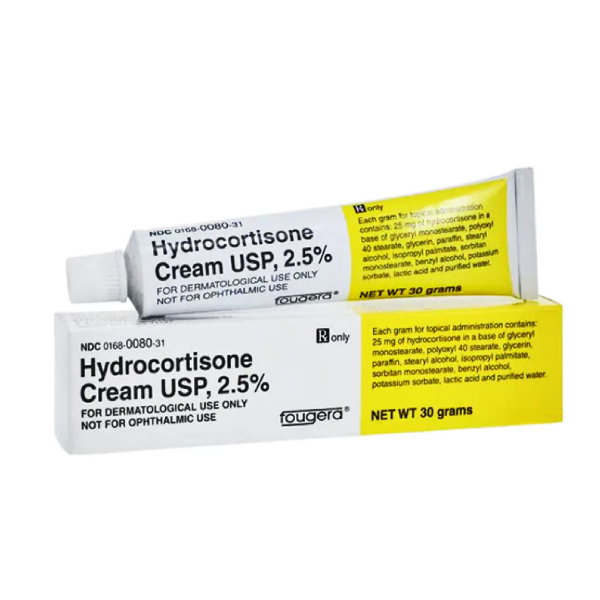
    • Cortisone | Steroids can reduce painful swelling; however, continued daily use decreases the strength of your anal mucosal tissue, which can lead to tearing or fissures.
    • Phenylephrine | Prep H contains phenylephrine which triggers the constriction of blood vessels, which decreases swelling and discomfort.
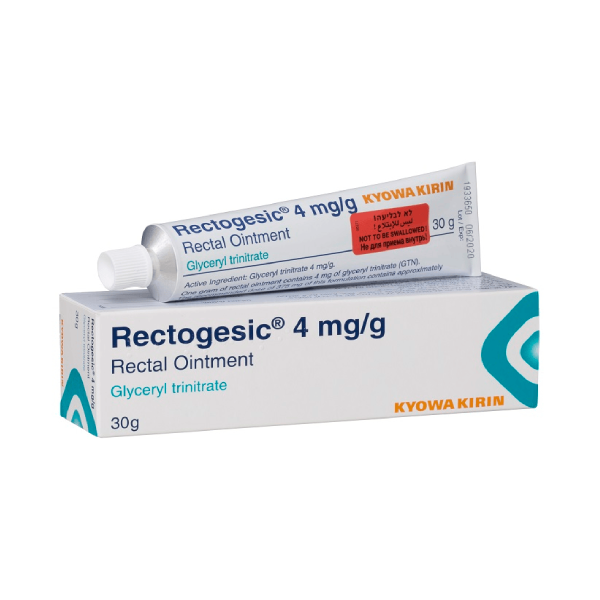
    • Nitroglycerin | Rectogesic© relaxes the blood vessels in the body and the anal sphincter. Combined use with poppers or ED medications can result in life threatening conditions.
    • Witch Hazel | Applied via cotton ball, wipes, or sprays, witch hazel shrinks or constricts hemorrhoidal tissue and decreases inflammation.
    Preparation H Cream
    Cortizone Cream
    Rectogesic Cream
    Lidocaine Cream
    Figure 1.6 [ A — D ]: Topical Creams

    Various topical creams decrease symptoms or improve healing times when applied to hemorrhoids.

  • Oral Medications

    • Stool Softeners | These can help soften stools, making them easier to pass and reducing strain on the hemorrhoid.
    • Pain Relievers | Over-the-counter pain medications like acetaminophen or ibuprofen can help alleviate discomfort.

Physical Considerations

After receiving a diagnosis of hemorrhoids, your fisting practices, preparation, and routines will require some modification. The level of behavioral change is based on your risk tolerance and your knowledge regarding your body and the disease.

Mitigation Tactics

To reduce the risk of developing new hemorrhoids, worsening existing hemorrhoids, or triggering recurrence of old hemorrhoids, try the following:

  • Eliminating Extreme Fisting Practices | Eliminate punching; extreme stretch (width) play; rapid fist extraction; and firm, heavily textured, and large circumference toys.
  • Practicing Meditative Breathing | Breathe methodically without bearing down when experiencing discomfort. Holding your breath while taking a fist or exploring new depth forces excessive blood in the hemorrhoidal plexuses.
  • Reducing Seat Time | Avoid lengthy stays on toilet and rim seats. Seat design contributes to blood flow patterns that create or exacerbate hemorrhoids.
  • Altering Sling Position | Frequently re-adjust your position in the sling to prevent pressure in the anal canal. Locking into leg straps or positioning your ass over the edge of the sling increase strain within the hemorrhoidal plexus.
  • Allowing Time for Healing | After diagnosis, take one to three months off for the hemorrhoid to dissipate. Some fisters have found that playing instead of abstaining from play decreases healing time due to massage of the plexus.
  • Protecting the Mucus Membrane | Apply a lipid-based lube such as Crisco or non-viscous petroleum distillate lube such as petrolatum (petroleum jelly) prior to douching and prior to starting your session (a technique known as base coating).
Rapid Double Punching Prohibited
@toropupff
Figure 2.1: Extreme Fisting Activities

Punching, rapid punching, and double punching increase the chance of developing or exacerbating hemorrhoids.

QUICK REFERENCE

Lifestyle Changes

Acute or chronic hemorrhoids can affect not only your ability to bottom but many aspects of daily life. Making lifestyle changes can decrease the impact of hemorrhoids.

Diet and Nutrition

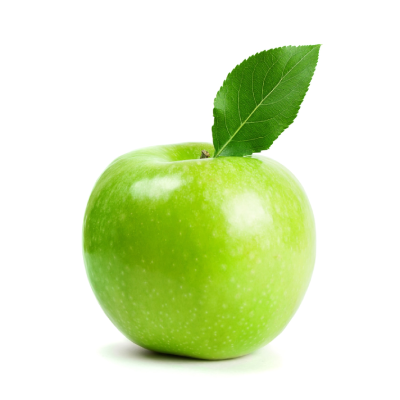
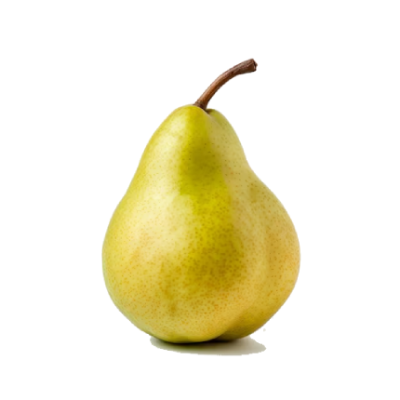
Increasing fiber will prevent stools that can cause or exacerbate existing hemorrhoids. Certain fruits, like apples and pears, contain large amounts of pectin, which creates a gel in the lower digestive tract that makes passing stool easier.

Green Apple
Pear
Avocado
Figure 2.2 [ A — C ]: Foods for Decreasing Strain

[ A ] Apples act as prebiotics that feed good gut bacteria.. [ B ] Pears, like apples, are high in both fiber and pectin. These compounds make passing stool easier.. [ C ] Avocados are high in both fiber and potassium, an electrolyte that helps maintain fluid balance in the colon.

Snack Portion Fiber
Artichokes 1 Medium 7 Grams
Celery 1 Stock 1 Gram
Pear 1 Medium 6 Grams
Apple 1 Medium 5 Grams
Bananas 1 Medium 3 Grams
Prunes 3 Medium 2 Grams
Table 2.1: Finger Foods for Easy Fiber

Snacking on these foods will contribute to the 38 grams of fiber a fister needs to consume daily.

QUICK REFERENCE

Fluids and Hydration

Maintaining adequate fluid levels helps the fist chute remain naturally hydrated and lubricated. Dehydration, extensive douching, alcohol and recreational drugs, and repeated use of certain types of lubricants can disrupt this balance. A dry fist chute increases friction and irritation during play and can cause or aggravate hemorrhoids. Dehydration can also produce harder stools that further irritate hemorrhoids between sessions.

Increasing fluid intake until your urine is consistently light yellow ensures that your large intestine has enough fluid to pass soft bowel movements. Remember to increase water intake when drinking alcohol, coffee, or caffeinated soda as these beverages result in dehydration. Drinking throughout the day is preferable to catching up immediately before a play session. Other tips to maintain adequate hydration include:

  • Carrying a Reusable Bottle | Keeping water nearby and readily available.
  • Drinking with Every Meal | Making hydration part of an existing daily routine.
  • Eating Water-rich Foods | Including foods such as cucumbers, melon, oranges, and other fruits and vegetables.
  • Replacing Lost Fluids | Drinking additional water during hot weather and physical activity.
  • Setting Reminders | Using alarms on smart phones as hydration alerts.
Fluid Maintenance Chart
Figure 2.3: Hydration Choices

Water is the best choice for maintaining a healthy fist chute. Other beverages and substances can complicate natural processes in the colon.

Pharmacological Considerations

Medications

Content for this section is incomplete.

Monitor the release notes published at Inside the Academy for content updates.

Supplements

Content for this section is incomplete.

Monitor the release notes published at Inside the Academy for content updates.

Recreational Drugs / Chems

Content for this section is incomplete.

Monitor the release notes published at Inside the Academy for content updates.

Preparatory Routines

Changes made to your cleanout and warm-up routines can decrease the impact of acute or chronic hemorrhoids on your play.

Cleanout

Douching with high-powered washes and without base coating can irritate the hemorrhoidal plexuses; however, douching is unlikely to cause a new hemorrhoid to appear.

Daily douching can weaken the mucous membrane, which may increase the likelihood of strain on the plexuses while fisting or during bowel movements.

Daily deep douching can alter the character of your stool by altering the flora in your transverse and ascending colons. It can also remove excess fluids and potassium the body would naturally recover when dehydrated. Resulting firm stools may cause straining and the development or exacerbation of hemorrhoids.

Limit douching activities, especially fisting-level deep douching, to fewer than three days a week to maintain normal colonic function. When experiencing hemorrhoidal flare-ups, avoid douching completely.

Warm-up

Content for this section is incomplete.

Monitor the release notes published at Inside the Academy for content updates.

Lubrication Considerations

Lubrication characteristics and practices can affect the development and severity of hemorrhoids:

  • Insufficiency | Insufficient lube application may increase pressure on the hemorrhoidal plexuses, potentially causing new hemorrhoids or triggering the recurrence of previous hemorrhoids. Avoid dry fisting, spit fisting, and inappropriate lubes.
  • Viscosity and Lubricity | Semi-solid lubes with high viscosity, such as Crisco, have low lubricity until melted. Highly viscous lube can create drag that contributes to hemorrhoidal development.
  • Additives | Numbing additives such as clove, lidocaine, and NSAIDs (Voltaren Cream) may decrease recognition of membrane fatigue and inflammation. Avoid when possible.
  • PEO-based Lubes | Some fisters report that deep injections of PEO-based lubes leave the upper fist chute unusually dry for several days after play, with the sigmoid colon and rectum sometimes dry to the touch. Subsequent sessions may require substantially more lube to compensate for the loss of natural moisture. Increased friction can irritate existing hemorrhoids or contribute to their development.
  • Oil-based Lubes | Frequent, heavy use of petroleum distillates such as petrolatum and lipids such as shortening (Crisco) may interfere with normal mucus levels. Fisters report a drier, less naturally lubricated fist chute that may increase friction and aggravate hemorrhoidal tissue during defecation, toy play, or fisting.
Viscous Crisco
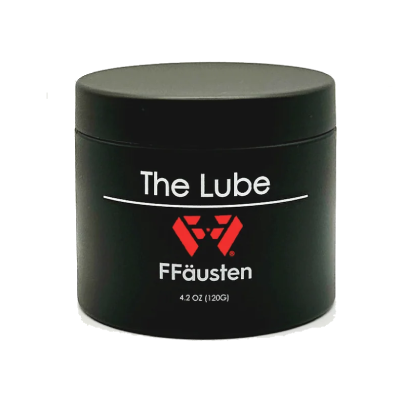
Lubricious FFäusten
Figure 2.4 [ A — B ]: Variation in Viscosities

[ A ] Crisco has high viscosity and lower lubricity until it melts. The drag from unmelted Crisco can strain hemorrhoidal plexuses. [ B ] FFäusten and other alphabet lubes have low viscosity but high lubricity. They decrease tension that causes hemorrhoids.

Play Modification

Because hemorrhoids vary from person-to-person, restrictions and modifications can vary substantially.

Restricted Activities

Variation in grade and duration (chronic or acute) of hemorrhoids will determine what activities are restricted.

Suggested guidelines include the following:

  • Eliminate activities that put extreme pressure or your first hole, including double fisting, jack-in-the-box, closed fist punching and pistoning.
  • Avoid activities that put repetitive strain on the first hole: punching, rapid-fire punching, closed fist punching, marathon punching.
  • Decline play with men that have large and extra-large hands (mega paws).

Modified Techniques

Consider the following modifications to your fisting sessions:

  • Integrate lengthy hole massage into your fisting routine. Soft, gentle pressure can sometimes alleviate the symptoms and duration of a hemorrhoid.
  • Increase the amount of lube used and the frequency of application. Consider base coating before douching and before initial insertion of a fist.
  • Discuss with your play partner in advance the probability of bleeding. Some men have grade II hemorrhoids that streak red initially and dissipate quickly.
  • Limit play to men smaller hands or extreme skill and experience.

Toy Considerations

Implement these changes to your toy play routines:

  • Eliminate large toys from your play.
  • Eliminate textured toys from your play.
  • Avoid toy play with others, only you should be using toys on your hole.
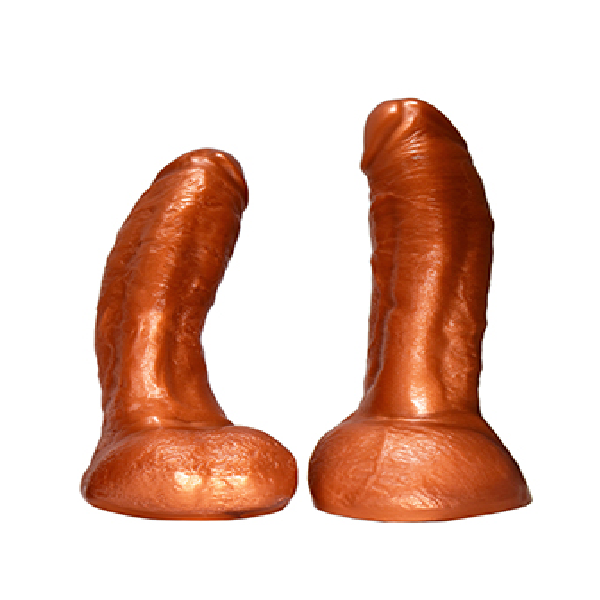
  • Implement a play routine with a standard size, soft firmness dildo. This replicates hole massage and may decrease the duration of the hemorrhoid.
Mel and Leo Dildos
Figure 2.4: Traditional, Soft Dildos

SquarePegToys" Mel or Leo (regular size) are excellent toys for massaging the first hole and engorged hemorrhoidal tissue.

Rehabilitation Activities

Content for this section is incomplete.

Monitor the release notes published at Inside the Academy for content updates.

Abstinence Protocols

Content for this section is incomplete.

Monitor the release notes published at Inside the Academy for content updates.

Psychosocial Considerations

Mental Health

Any health condition that affects the fist chute can cause anxiety and significant mental distress. Temporary loss of the ability to fist may be is traumatic and may require the help of mental health professionals to maintain abstinence while healing. Mental health professionals can help you develop coping mechanisms and explore options that allow you to maintain your identity while abstaining from bottoming.

It is not uncommon for fisters to incorrectly self-diagnose an STI as a hemorrhoid. There is less stigma associated with hemorrhoids than with STIs. Fisters should always test for STIs when fisting results in pain or the appearance of blood within the lubrication.

Session Communication

Many fisters play even when minor external hemorrhoids and grade I and II internal are present.

If you suffer from internal hemorrhoids, especially those prone to bleeding and those responsible for pain/discomfort, then you should start your session with an explanation of your hole. Inform your top of about your hemorrhoid and its specific issues or tendencies (such as dark red streaking after initial penetration). A top may then adjust his style to accommodate your hole.

When topping, if you feel a hemorrhoid-like lump present, ask the bottom if:

  • He is aware of its presence | Some fisters are unaware of the size and scope of a hemorrhoid in their holes.
  • It is causing him any pain | Major pain will decrease the length of the session. Minor pain or no pain indicates it is likely a Grade I or nearly cured external hemorrhoid.
  • You, as the top, need to avoid extreme fisting practices | Rough and hard fisting can make the hemorrhoid worse, potentially leading to months of down time.
  • It is prone to bleeding | Some internal Grade I hemorrhoids will streak dark red. Ice cube therapy may be needed after popping the inflated blood vessel.
  • He would like to continue—if so, how | Gentle fisting can often decrease healing time. A bottom may direct you to play soft and request hole massage with a few fingers.
Speed Bump Joke
Figure 3.1: Piles as Speed Bumps

Some off-color humor pokes fun at how fisters often handle hemorrhoids.

Conversations with Healthcare Providers

Fisters with painful, chronic, or prolapsed hemorrhoids should consult their general practitioner for relief, but they must include in that discussion that they participate in fisting. Without full knowledge of your hole activities, the practitioner may provide a treatment option that may result in future issues.

Topics that should be discussed regarding fisting—specifically related to hemorrhoids include:

  • General proclivities including type of and intensity of play, such as:
    • Punch Play | Including details about style (open/closed fist), extraction (full/partial), pace (fast/slow), and rate (number of consecutive or near-consecutive punches)

      Rationale

      Practitioners need to know the likely cause of the hemorrhoid; otherwise, they will prescribe fiber and fluids and allow the hemorrhoid to heal on its own. Medicinal ointments and patient education may be required.

    • Width/Girth Play | Including circumference, depth, and punch practices (doubles is the same as jack-in-the-box)

      Rationale

      Simultaneous insertion of multiple hands (either fully or partially) into the anal canal can cause enough tension to injure the hemorrhoidal plexuses.

      Many practitioners may not even consider the size of objects a hole can take, and thus may not understand the reason or likelihood of injury exacerbation.

    • Toy Play | Including firmness, width, depth, pace, and rate

      Rationale

      Objects with large circumferences can damage healthy hemorrhoidal plexuses or inflame chronic hemorrhoids. Your practitioner may provide inaccurate advice and indicate toys are okay under the assumption that all dildos and plugs are no wider or longer than an extra-large prick.

  • Frequency of play

    Rationale

    Abstinence is the often prescribed to allow your hemorrhoid time to heal. If you currently have multiple sessions a week, this advice may cause you to feel extreme duress. You may ignore advice and return to fisting before fully healed. Your provider may need to refer you to counseling or may need to provide you with appropriate education to help you refrain from re-injury.

  • Value and importance of fisting in your life

    Rationale

    Many practitioners do not understand the Fister's Brain and offer only one solution: total abstinence. Relaying its relevance may alert your practitioners to your inability to comply with abstinence protocols. Your healthcare team may then implement harm reduction options in your care plan.

Figure 3.1: Doctor-Patient Privilege

Open communication with your healthcare providers allows them to customize care for your specific needs.

QUICK REFERENCE

Your fisting revelations to your healthcare providers are important. Without covering the information above, they may not diagnose you correctly, they may prescribe unnecessary medications and testing, and they may not offer sound medical advice for you. Their focus may be on abstinence only—especially with providers who aren't familiar with fisting culture.

You can help improve your provider's knowledge by supplying them with the following data sheet:

050404128-01 Hemorrhoids - Data Sheet

Course Appendix

The following material may guide the development and deployment of this topic:

Objectives

Upon completing this course, the student will be able to:

  • Differentiate between external and internal hemorrhoids.
  • List three items a top should ask when he encounters a hemorrhoid in his play partner.
  • Identify the communication responsibilities of a bottom if he is knowingly fisting with hemorrhoids.
  • Identify the most drastic form of hemorrhoidal therapy provided by a healthcare provider.
  • List two oral medications and two topical medications for treating the symptoms of hemorrhoids.
  • Identify two behavioral modifications and two play modifications that decrease the likelihood of exacerbating hemorrhoids.

Note: Objectives should follow instructional design standards and be easily measurable with little ambiguity.

Supplemental Content
Blog Articles
  • FFAQs - Hemorrhoids
  • Hemorrhoids: The Fister's STI Scapegoat
F2 Promotional Materials
  • Skills: None
  • Protocols: None
  • FWOTD:
    • Piles
    • Hemis
    • Thrombosed
Outline (Proposed)
  • Hemorrhoids Overview
  • Cause and Course
  • Symptoms
  • Risk Factors
  • Treatment
  • Address the Cause
  • Non-medical Interventions
  • Medical Interventions
  • Physical Considerations
  • Standard Mitigation Tactics
  • Lifestyle Changes
  • Diet and Nutrition
  • Hydration
  • Pharmacological Considerations
  • Medications
  • Supplements
  • Chems
  • Preparatory Routines
  • Cleanout
  • Warm-up
  • Lubrication Considerations
  • Play Modification
  • Restricted Activities
  • Modified Techniques
  • Toy Considerations
  • Rehabilitation Activities
  • Abstinence Protocols
  • Abstinence Period
  • Return to Play
  • Psychosocial Considerations
  • Mental Health
  • Session Communication
  • Conversations with Healthcare Providers
F2 Resources

These individuals have indicated they continue fisting with this condition:

  • Hex Code
  • Hex Code - Condition
Brain Dump - Staging Area
        
Publication Quick Links
Developer's Toolkit | Nu HTML Checker