
Lubrication Considerations
Certain types of play require specific types of lube. Certain types of lube can detrimentally affect toys. Certain types of care can extend the usefulness and lifespan of toys.
Lube Compatibility
Water-based lubes are compatible with most toy materials and are generally the safest choice for toy play. However, they are not always practical. Some activities, such as extended plugging, require specialized, long-lasting oil-based lubes. When other types of lube are needed, fisters should proceed with caution, especially when toy longevity is a concern.
For example, oil-based lubes generally do not affect glass toys but may completely destroy latex toys. They may also migrate into silicone toys, causing swelling or lingering residue.
Likewise, silicone lube may migrate into and damage silicone toys, including those made from platinum-cured silicone. Because formulations differ and vendor recommendations conflict, silicone-on-silicone compatibility must be considered case by case.
Lube/Toy Compatibility
| Silicone | Glass | Metal | TPR/TPE | PVC | Latex/Rubber | |
|---|---|---|---|---|---|---|
| Water-Based | ||||||
| Oil-Based | ||||||
| Silicone |
Table 1.1: Lube Compatibility with Toys
Materials in lubes may interact with materials in toys to create incompatible pairings.
Legend
Compatible Problematic DetrimentalGeneral Compatibility Rules
Toy players should attempt to follow these rules when possible:
- Never use oil-based lubes with latex, rubber, and PVC toys. In addition to degrading the toy, chemical reactions can create toxic leaching and off-gassing.
-
Avoid using silicone lube with silicone toys.
- Low-quality silicone toys can melt when interacting with silicone lube.
- High-quality silicone toys have some permeability and can absorb silicone lube into external layers with extended exposure.
- When not in use, reduce lubricant exposure by immediately wiping away any excess lube remaining on the toy surface.
When toys are intentionally or unintentionally exposed to incompatible lubricants, deep-cleaning strategies can help limit damage and increase their longevity.
Silicone Lube
| Yes | No | ||
|---|---|---|---|
| Bad Dragon | ✓ | ||
| Crackstuffer's | ✓ | ||
| Friendly Toys | ✓ | ||
| Hankey's Toys | ✓* | ||
| Nothosaur Toys | ✓ | ||
| Square Peg Toys | ✓* | ||
| Topped Toys | ✓ | ||
| Twisted Beast | ✓* |
Table 1.2: Silicone Lube Usage
Vendors offer different advice for using silicone lube with silicone toys.
Nuanced answer that isn't strictly prohibititive nor heavily recommended
Deep Cleaning
Routine cleaning may not remove all the lube and other material that can contaminate a toy over time. Deep cleaning can help remove residual lube, odors, and other buildup.
The intensity of the cleaning is based on (1) the toy material, and (2) the lubes used with the toy. Problematic lubes and non-compliance with general compatibility rules may require more aggresive cleaning.
Aggressive deep-cleaning methods should be reserved for high-quality toys known to tolerate them. Lower-quality materials, coatings, adhesives, and electronic components may be damaged by methods that platinum-cured silicone can withstand.
| Cleaning Method | Purpose |
|---|---|
| Disinfectant Wipes | Removes odors, microbial agents, and dried PEO-based lubricants. |
| Acetone Rub | Removes lingering odors and neutralizes chemical agents. |
| Bleach Bath | Removes lingering odors and dried PEO-based lubricants. |
| Extended Sunlight | Sweats silicone and oil-based lubricants and removes odors and microbial agents. |
| Heavy Boil | Removes odors and microbial agents and sweats out silicone and oil-based lubricants. |
Table 1.3: Advanced Deep Cleaning Options
Advanced deep cleaning options help preserve toys that have been exposed to incompatible lubes and other contaminants. Specific procedures should be followed during deep cleaning toys to limit damage to the toys.
Inventory Management
Inventory management focuses on three principles: know what you own; know who has it; and control its use around others.
Knowing what you own focuses on documenting the contents of your toy arsenal. Knowing who has it makes sure you don't lose toys through lending activities. And lastly, controlling use around others limits damages or loss that can occurs when your arsnal is open to a group of visitors.
Documentation
Quality toys can be expensive, and large collections may represent a significant investment. Maintaining a basic inventory provides a record of the toys you own and can be useful for insurance, resale, or managing a personal toy library.
Inventory records may include the manufacturer, toy name or model, size/dimensions, material, purchase date, purchase price, and current value. Photos can help document the condition of more valuable toys.
Template: Inventory Tracker (Spreadsheet) Template: Inventory Tracker - Card Catalog (Document)

Lending and Tracking
Loaning toys increases the chance that your toys will be lost, damaged, or simply forgotten. A tracking system provides a record of who has a toy and makes it easier to get the toy back.
Simple systems are usually sufficient. A library card kept in place of a missing toy or a sign-out sheet can record the toy, borrower, date borrowed, and expected return date. Digital lists and spreadsheets can serve the same purpose.
Template: Toy Loan Card / Agreement (Document)
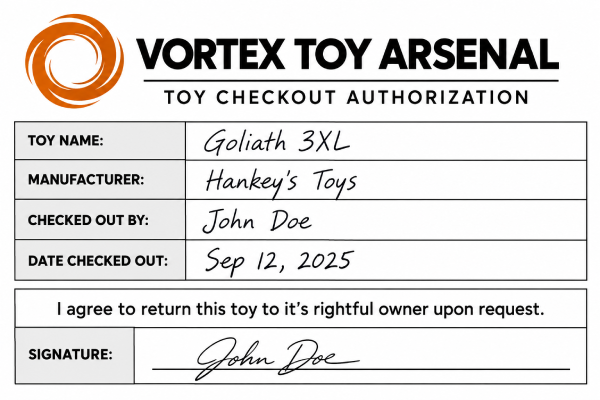
Figure 1.1: Lending Card
A simple card helps remind you who has what toy and for how long they have had them.
Group Play
Toys can easily become mixed up, misplaced, or unintentionally taken during group play. Keep toys that are not being used in a designated bag, container, or other secure location rather than leaving them throughout the play area.
Establish rules before making personal toys available to others. Participants should know which toys are available for shared use, which require permission, and which are not to be used by others. Clearly identify which lubes are appropriate and any storage or separation requirements needed to prevent toys from damaging one another. Rules should also identify who is responsible for cleaning and returning shared toys.
Most fisters will assume toys are fair game and there are no rules or requirements if you do not clearly identify toy-related rules prior to play.
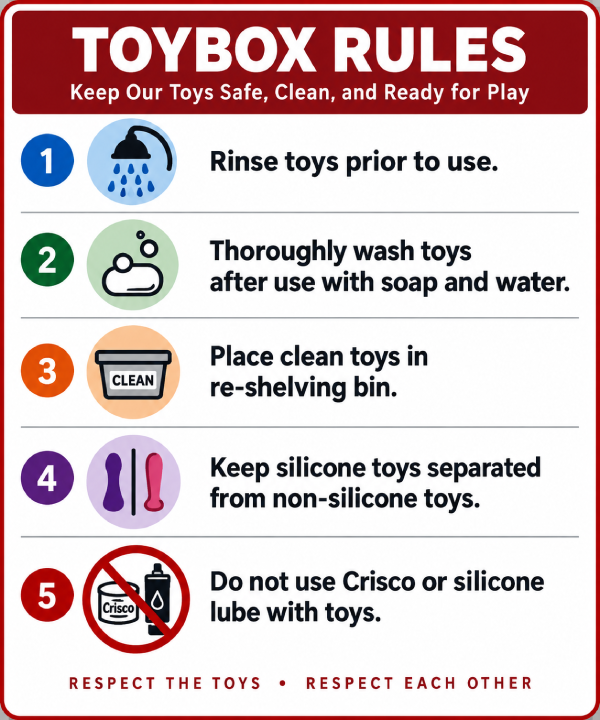
Figure 1.2: Sample Group Rules For Toys
Establishing and publishing rules in advance decreases awkward interaction and prevents damages to toys.
Maintenance
Maintenance is reactive work done to fix or restore a toy after damage happens.
Damages
Sex toys can become damaged through normal use, aging, improper storage, or chemical degradation. Damage may include surface tears, pocking, discoloration from microbial contamination, or more extensive tearing and shearing. Some toys may also deteriorate through melting or chemical off-gassing, while powered toys can develop electronic malfunctions.


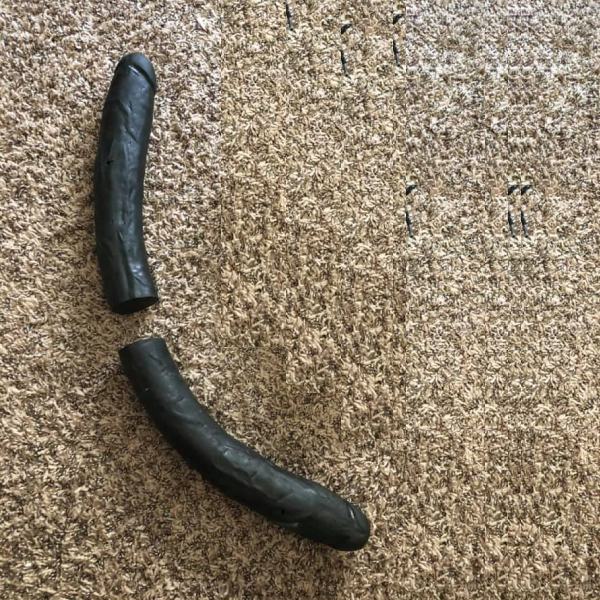
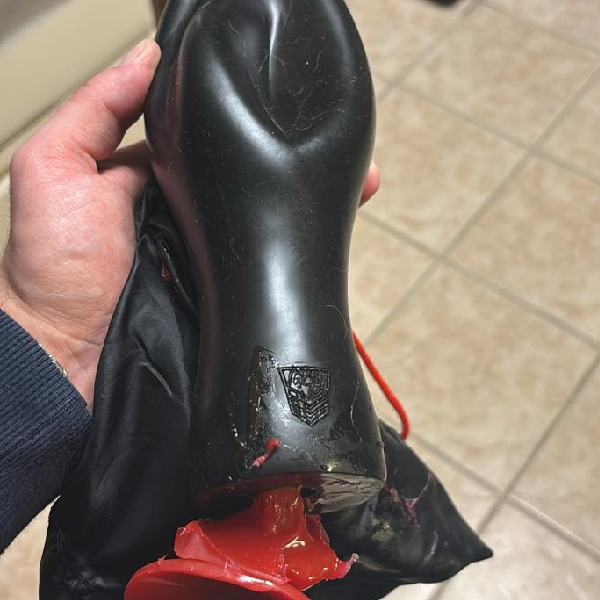
Figure 2.1 [ A — D ]: Common Toy Damages
Optional universal caption text that applies to the entire figure set. [ A ] Rips, micro tears, indentations, or pocking in the toys external surface. [ B ] Discoloration due to microbial contamination. [ C ] Tearing or sheearing into large pieces. [ D ] Off-gassing toxic chemicals or melting due to plasticizers. [ E ] Electronic malfunction.
Repair Options
Once a toy has been damaged, there are very few options to restore the toy to its original state. Most manufacturers and vendors suggest discarding damaged toys rather than attempting repair.

Figure 2.2: Non-existant Toy Repair Facilities
Dildo hospitals and toy repair shops do not exist—leaving repair to amatuer owners.
Material Considerations
Options for repair are based on the composition of a toy:
-
Glass | Chipped or broken glass can damage the mucosal lining of the fist chute. Weakend glass will likely break again.
Discard! No Repair Options Available.
-
Metal | Dinged metal, deeply scratched metal, and rusted metal can irritate the fist chute and even, in rare cases, harbor harmful microbes that can alter the flora of your intestine.
Discard! No Repair Options Available.
-
Hard Plastics | Surface damages can irritate the mucosal lining of the fist chute. Discoloration indicates microbial colonization or material degradation.
Discard! No Repair Options Available.
-
Soft Plastics and Rubbers | Discolored, damaged, and off-gassing plastics and rubbers have limited repair options.
- Stains and funky odors indicate bacterial and fungal colonization. Once pores are infiltrated, sterilization is impossible.
- Industrial or mechanical odors indicate off-gassing which leaches compounds that burn mucosal membranes or melt other toys.
- Tears, nicks, pocking, and melted areas decrease integrity and expose the hole to microbes or toxic chemicals. Repair usually degrades stable molecular properties of the toy.
-
Silicone | Tears, nicks, and active melting create weak points for additional damage and can harbor microorganisms.
Repair activities are only partially successful. See Methods of Repair.
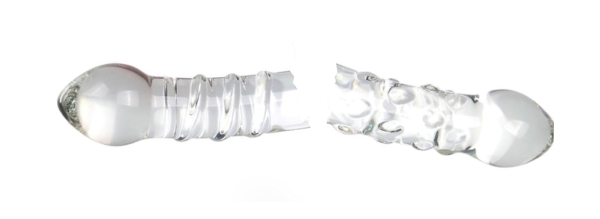
Figure 2.3: Fatal Injuries to Toys
Damages to glass, metal, stone, or ABS (hard) plastics can create rough edges that can tear or damage the lining of fist chute.
Methods of Repair
With few exceptions, repair is primarily limited to platinum grade silicone toys. Four options include adhesive bonding, wound debridement, amputation, and mold remediation.
Adhesive Bonding
Just as skin lacerations can be glued together, minor cuts, tears, and knicks can be fixed with silicone specific glue to prevent further damage.
- Pros
- Prevents tears from growing.
- Cons
- Works only with platinum grade silicone.
- Limited success stories with few vendor endorsements.
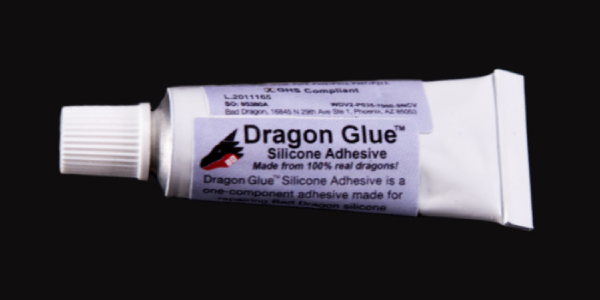
Figure 2.4: Bad Dragon's Adhesive Glue
Dragon Glue can be used to fix minor tears and knicks.
Wound Debridement
Toys exposed to plasticizers will start melting. Small wounds on silicone toys can be scraped and repeatedly treated with acetone until erosion stops.
- Pros
- Stops internal spread of plasticizers.
- Cons
- Works only with platinum grade silicone.
- Limited to smaller wounds on larger girth toys.
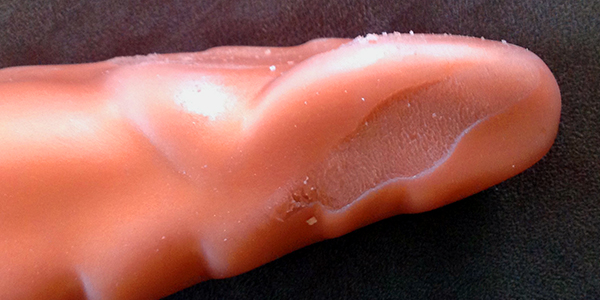
Figure 2.5: Debrided Wound
The gooey area of a damaged toy can be scraped and cleaned with acetone. A scar area results.
Amputation
If a damaged area is too big for adhesive bonding or wound debridement, that area can be completely removed in a process of amputation.
- Pros
- Works with most materials*.
- Prevents complete loss of expensive toys.
- Cons
- Modifies toy shape and strength.
- Must amputate with precision to prevent scarring prone to additional damage.
Excludes glass and pseudo-skin.

Figure 2.6: Castrated Toy
Full amputation of infected or damaged areas decreases spread of condition to the entire toy.
Mold Remediation
Mold is difficult to remediate in almost all toys. Most fisters suggest discarding a toy once it shows signs of mold growth. In platinum-grade non-porous silicone toys, vinegar, bleach, and boiling will not remove mold stains; however, they can neutralize mold to some degree. Some heavy-duty, specialized mold removers have shown promise in removing stains.
- Pros
- Prevents complete loss of expensive toys.
- Cons
- Works only with platinum cured silicone toys.
- Works only with recently colonized toys.
- Stains may remain, regardless of treatment.

Figure 2.7: Mold-damaged Toy
Mold remediation may kill or deter future development but stains may persist after remediation.
Take caution when inserting toys that have been repaired. The texture, shape, or integrity may have been inadvertently affected which could result in the toy breaking apart with intense toy play.
Disposal
Toys are discarded for varios reasons:
- Age | As toys age, the begin to degrade, especially plastic and rubber toys. Severely degraded toys may create an industrial odor, known as off-gassing, or they may burn when in contact with mucosal membranes of the ass, mouth, or throat.
- Physical Damage | Tears and rips or other type of damage that compromises the surface of the toy.
- Microbial Contamination | Infiltration of mold or bacteria that causes discoloration of the toy's surface.
Limited information is available online regarding the ethical disposal of sex toys. The ideal solution is to stock your arsenal with toys that will last for your entire lifetime.
Off-gas
-
Verb To emit or release gases, often as a result of chemical breakdown.
When a toy must be discarded, several options* are available based on the composition of the toy:
Silicone
Platinum-grade and pure silicone is inert and does not leach chemicals into the environment.
- Options
- Recycle
- General Landfill ( )
- Disposal Option Reasoning
- Contaminant | Sex toys may be considered as a recycling contaminant among silicone items.
- Contaminant | Non-silicone toys are often mislabelled as silicone to improve sales.
- Cost | Local recyclers must ship to plants that recycle at a high cost.
- Availability | Silicone is not accepted in free, municipal recycling programs.
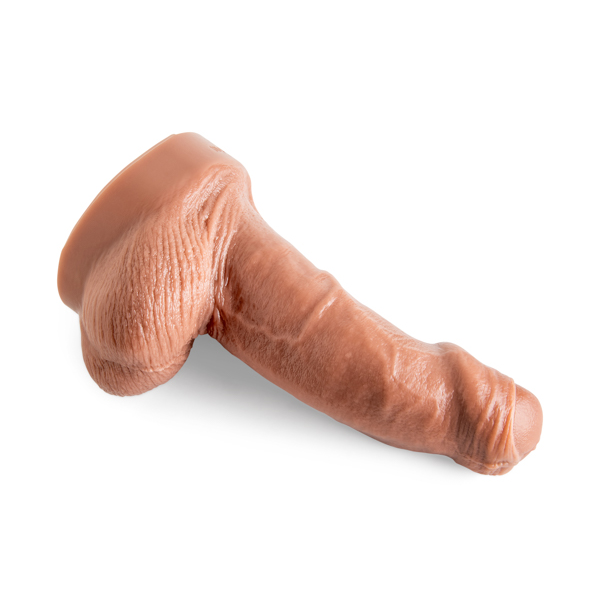
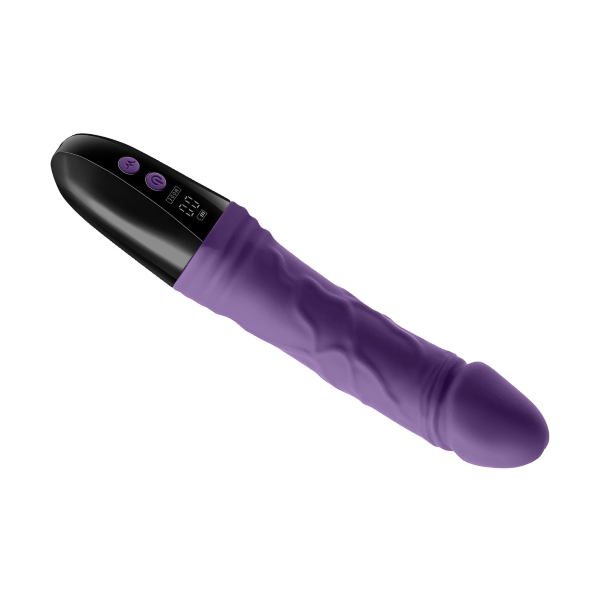
Vibrator / Electronic Toys
Electronic components contain hazardous elements such as lead and arsenic that can leach into the environment. Other components of the toy may also be toxic to the environment.
- Options
- Recycle ( )
- General Landfill
- Disposal Option Reasoning
- Availability | Electronic goods must often be taken to a specific recycling center.
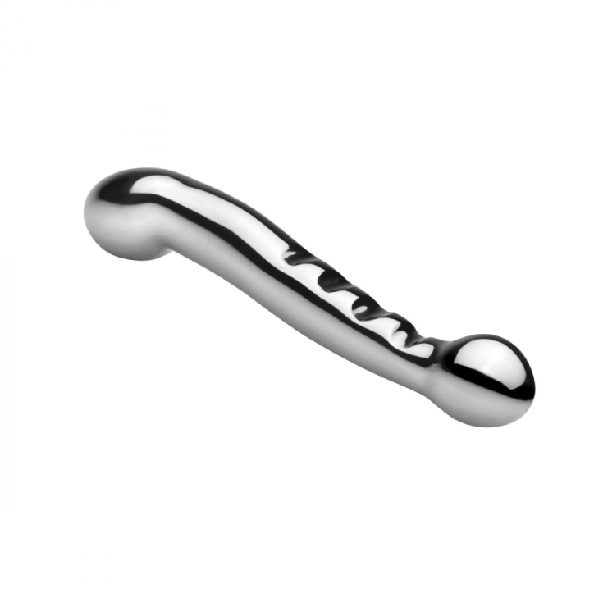
Metal (Stainless Steel or Aluminium)
Stainless steel and most metal is inert and does not leach chemicals into the environment.
- Options
- Recycle ( )
- General Landfill
- Disposal Option Reasoning
- Availability | Free, municipal recycling programs may not accept sex toys in pickup bins.
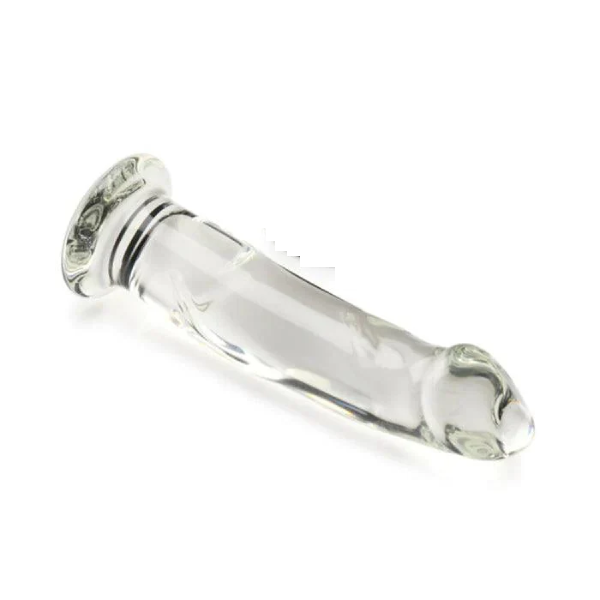
Glass
Borosilicate glass (Pyrex) is intert and does not leach chemicals into the environment.
- Options
- General Landfill ( )
- Disposal Option Reasoning
- Contaminant | Borosilicate glass is considered as a recycling contaminant among glass items. Most ass players do not realize that glass dildos are borosilicate.
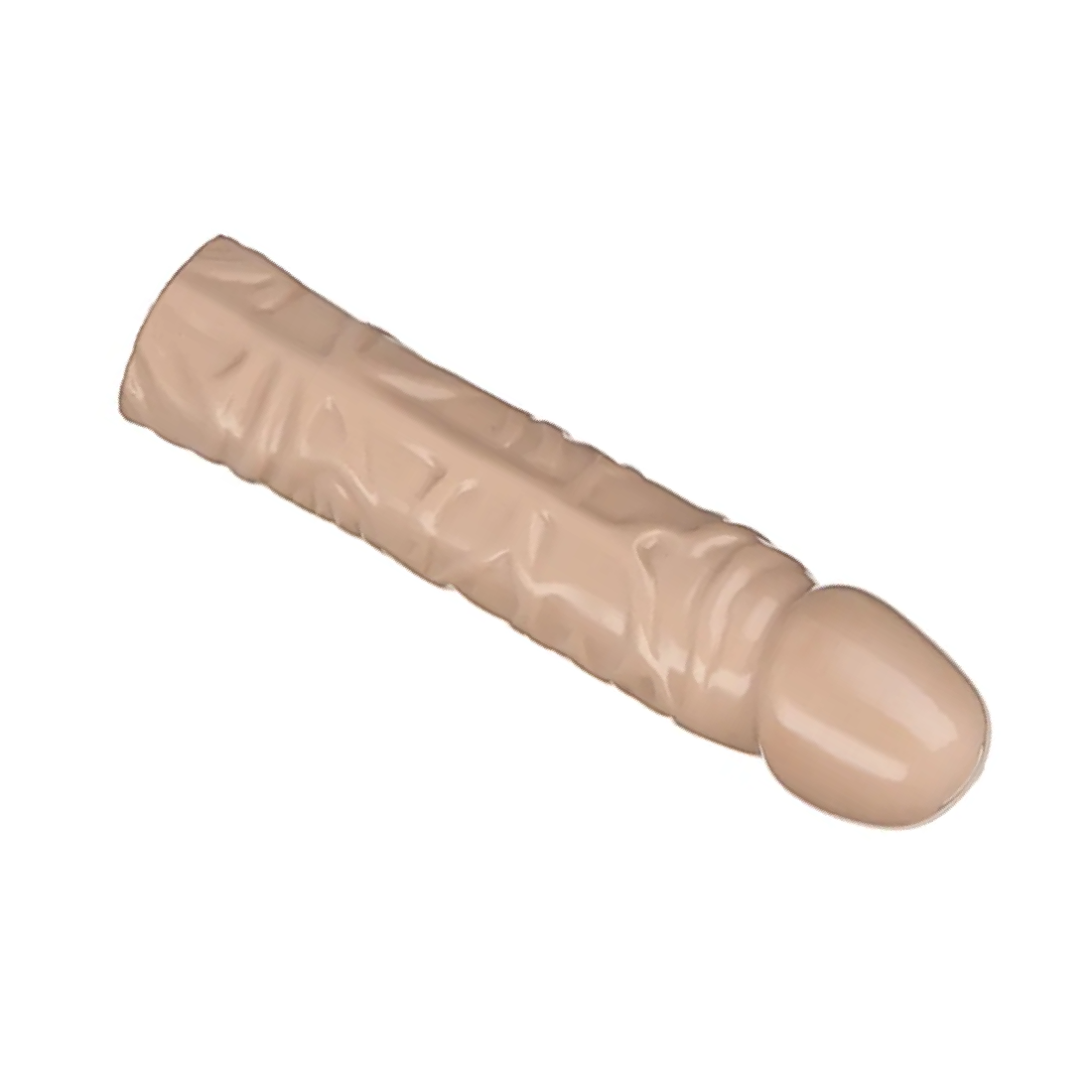
TPR/TPE (Including Simulated or Pseudo-skin Products)
TPR/TPE do not have a specified composition or list of ingredients; therefore, there is no way of knowing what a particular TPE product contains. It may be toxic to the environment upon degradation.
- Options
- General Landfill ( )
- Disposal Option Reasoning
- Contaminant | Most facilities cannot distinguish TPR/TPE from other rubber, latex, and pvc toys; therefore, it is usually considered a contaminant.
- Contaminant | TPR/TPE may be coupled with other, non-environmentally friendly toxic chemicals.
- Availability | Specialized recycling centers may accept TPR/TPE toys.
- Availability | Free, municipal recycling programs do not accept sex toys in pickup bins.

PVC (Including Vinyl and Jelly Rubber)
Like TPR/TPE, PVC does not have a specified composition or list of ingredients; therefore, there is no way of knowing what type of PVC a toy product contains.
- Options
- General Landfill ( )
- Disposal Option Reasoning
- Contaminant | Most facilities cannot distinguish and sort differing types of PVC; therefore, it is considered a contaminant.
- Contaminant | PVC may be coupled with other, non-environmentally friendly chemicals.
- Toxicity | PVC is not environmentally friendly.
- Availability | Free, municipal recycling programs do not accept sex toys in pickup bins.
Latex/Rubber
Like TPR/TPE and PVC, there are many varieties of latex/rubber; therefore, it is difficult to know what toy product contains. Natural latex biodegrades, but most toys are not natural latex.
- Options
- General Landfill ( )
- Disposal Option Reasoning
- Contaminant | Most facilities cannot distinguish and sort differing types and qualities of latex/rubber; therefore, in municipal programs, it is considered a contaminant.
- Contaminant | Latex/Rubber may be coupled with other, non-environmentally friendly chemicals.
- Availability | Free, municipal recycling programs do not accept sex toys in pickup bins.
Other Materials (Wood, ABS, Etc.)
Less common toys made from wood or ABS plastic should be sent to a landfill.
A checkmark () indicates the preferred disposal method.
Best Practices and Expert Advice
Following best practices and general advice from others helps you better preserve and maintain your toy collection.
Advice from the Experts
Several seasoned fisters offer following tips and counsel for preserving toys:

Category: Toy Maintenance and Preservation
Give Your Toys a Spa Night
About every six months, I fill up my tub with water and add a cup of bleach and let them soak overnight.
The following morning, I drain the tub and wash each toy with Dawn dish soap to remove any bleach residue. The bleach does two things: kills any residual organisms and disintegrates any residual left from alphabet lubes.

Category: Toy Maintenance and Preservation
Sweat Out Oil-Based Lubricants
For my toy play, I use a special blend of Crisco with X-Lube. It makes the stretch easier, and it sticks to my toys so I am not constantly having to reapply lube.
The Crisco tends to infiltrate my silicone toys despite washing them with grease-cutting detergent after my toy session is over.
About every three months, I boil these toys for thirty minutes. I drain the water and use a microfiber rag to wipe down each toy as soon as it is cool enough for me to touch.
If it is a heavily used toy, I'll repeat this two or three times until it stops sweating out Crisco. The toy seems to lose some shine, but it makes me feel more comfortable knowing that oils that could feed microbes are no longer sitting inside my toy.
Myths and Misconceptions
Few myths exist relating to toy preservation.
Claims or Assumptions
Silicone lube cannot be used on silicone toys.
Reality
Almost all platinum-grade silicone toy vendors state that silicone lube is okay to use on their toys.
Vendors that suggest otherwise are using inferior materials and may be mislabeling their toys.
Remediation
Avoid purchasing toys from Amazon or vendors that state silicone lube should not be used on their toys. Eliminate toys from your arsenal that are not platinum-grade silicone. For additional information, see:
Questions and Answers
It depends on the toy, how often it is used, and the type of lube used with it. Toys used several times a week with oil- or silicone-based lubes should be deep cleaned every three to six months. Toys used with water-based lubes generally need deep cleaning about every six months.
It depends on the toy material and level of mold infiltration. Most non-silicone toys should be discarded. Platinum-cured silicone toys may be saved if the mold is limited and appropriate remediation is successful.
Nevertheless, some fisters insist on discarding any toy that shows any level of infiltration.
Nonporous does not mean impermeable. Fluids and organisms can infiltrate the outermost layers of the toy, but permeability decreases with depth because of the molecular structure of platinum-cured silicone.
In fact, a toy must remain in contact with surface moisture and nutrients for fungal growth to occur, as the fungus cannot use silicone as a food source. Porous toys can harbor residual water and nutrients that support continued growth. Platinum-cured silicone lacks these reservoirs.
Yes. Frequent use of chemicals like acetone or stronger concentrations of bleach can affect the integrity of a toy over time.
Boiling, power washing, and UV exposure can also damage toys. In non-silicone toys, new pores can be created and existing pores enlarged. In silicone toys, the outermost layers may lose some strength.
Toys, like tools, eventually wear out and require replacement.
Protocols
Protocols include standard practices and etiquette followed by the majority of the fisting community. Typically, these are things that new fisters pick up over time.
Etiquette
Etiquette refers to how you treat others in a specific fisting scenario.
Standard Practices
Standard Practices refers to common sense behaviors related to fisting activities.
Course Appendix
The following material may guide the development and deployment of this topic:
Objectives
Upon completing this course, the student will be able to:
- Catalog and track toy locations.
- Identify appropriate lubes for your toys.
- Debunk myths and misinformation regarding toy maintenance.
- Recite one etiquette protocol or one standard practice related to inventory management.
Note: Objectives should follow instructional design standards and be easily measurable with little ambiguity.
Supplemental Content
Blog Articles
- An Attempt at Mold Remediation
F2 Promotional Materials
- Skills: N/A
-
Protocols:
- Wash Toys Before Insertion
- Only Apply Owner Approve Lube and Cleansers
- Clean Up Toys After a Play Sessions
- Return Toys in a Timely Manner
- Ask Before Using Another Person's Toys
- FWOTD:
- Remediation
- Dragon Glue
- Debridement
- Mold Remediation
Outline (Proposed)
- Preservation
- Lubrication Considerations
- Lube Compatibility
- Deep Cleaning
- Inventory Management
- Maintenance
- Damage
- Repair Options
- Material Considerations
- Methods
- Adhesive Bonding
- Wound Debridement
- Amputation
- Mold Remediation
- Disposal
- Best Practices and Expert Advice
- Advice from the Experts
- Myths and Misconceptions
- Questions and Answers
- Protocols
F2 Resources
Brain Dump - Staging Area
Publication Quick Links
Developer's Toolkit | Nu HTML Checker