Fist Theory™ | Internal Navigation

The following links can be used for navigation during offline development:

Education Center | 

Apothecary: Lubrication Additives


ID: 030102061

Science Topic

Apothecary: Lubrication Additives

Lubrication Additives and Supplements

Education Center | Course ID: 030102061

Publication Details

Author: Finn Vortex

Published: 05 October 2025

Updated:

Duration: 15 Minutes

Executive Summary

Exploration of special ingredients fisters add to lubes to create unique sensations within the hole. Includes classification strategies, related health concerns, and general protocols associated with additives. Also includes a full index of over 30 additives that identifies functional properties, specific usage and prep tips, and any concerns or considerations for each included additive.

Additive Classifications

A lubrication apothecary is an eclectic collection of ingredients that can be carefully blended to create fisting lube.

Additives from the apothecary can trigger novel sensations within the hole; heighten or diminish tissue sensitivity; and stimulate other senses during a fisting session. They can also prolong lubricity, alter viscosity, and extend shelf life.

There are multiple ways to sort and organize additives within an apothecary. Fist Theory uses two cataloging conventions:

  • Derivation | Refers to the origin of the additive. It includes four sub-classifications: tincture, cosmetic, pharmaceutical, and supplemental bases.
  • Functionality | Refers to the functional characteristics introduced by the additive.
Image Description in Title Case
Figure 1.1: Lubrication Apothecary

Nostalgic apothecary store front serves as inspiration for the artisanal lubes created by blending traditional lubrication bases with various additives.

Derivation

Fist Theory uses the term derivation to categorize additives by their composition or source.

Tinctures

A tincture is a concentrated liquid extract of herbs, plants, or medicinal substances, often taking the form of aromatic oils. A few drops of a tincture added to a batch of fisting lube can generate a warm or cool sensation within the fist chute that may potentially be accompanied by a mild numbing effect for prolonged play.

Many tinctures are marketed as essential oils. The claims associated with these oils often lack robust scientific data regarding their efficacy. Some offer only a placebo effect.

Tinctures can be purchased online or at health food stores.

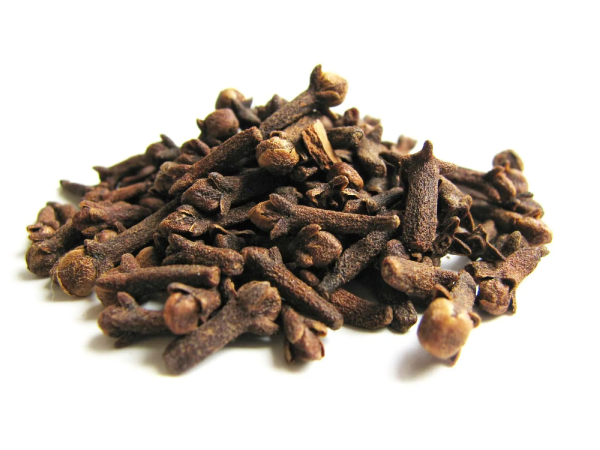
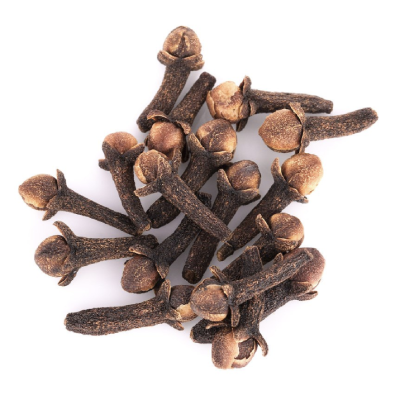
Small Stack of Unrefined Clove
Figure 1.2: Unrefined Clove

Clove oil is derived from clove and is one of the most common lubrication additives. It is both highly aromatic and highly allergenic.

Tinctures, like all other additives are not inert. They can trigger allergic reactions in small quantities. In large quantities, they can cause direct damage to mucosal tissue. They should never be applied directly to the fist chute in concentrated form.

Pharmaceuticals

Pharmaceutical additives include non-prescription medications, prescription medications, and illicit drugs.

The most common pharmaceutical additives are non-prescription creams or ointments that provide analgesic properties. Menthol, which may have a minty aroma and may trigger a warm sensation, is typically the active ingredient in most of these additives.

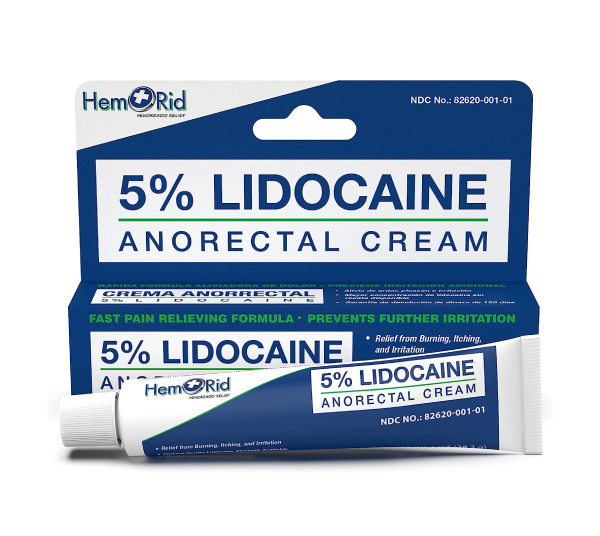
Lidocaine Anorectal Cream
Figure 1.3: Lidocaine Anorectal Cream

Some pharmaceuticals are specifically formulated for the rectum and anal canal.

Less common pharmaceutical additives include reparative medications, such hemorrhoidal creams that soothe the tissue of the fist chute and promote healing with specific vitamin complexes.

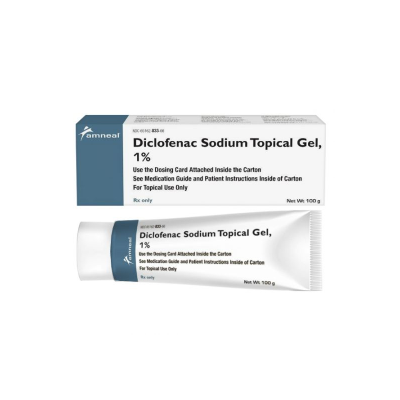
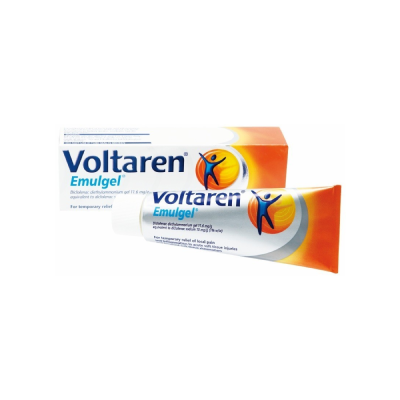
Common examples of pharmaceutical additives include topical Diclofenac gel (Voltaren Cream), lidocaine, and phenylephrine and pramoxine (Preparation H).

Cosmetics

Both the fist chute and fisting lube are altered by cosmetic additives.

Lube modifications include changes to the texture and aroma of a lubrication.

Chute modifications include how the intestinal tissues interact with fluids from the lube. The cosmetic's active ingredients coat the fist chute with a film that decreases fluid absorption rate and can even draw moisture into the chute from nearby tissue.

Additionally, cosmetics have ingredients that may extend the shelf life of lubes.

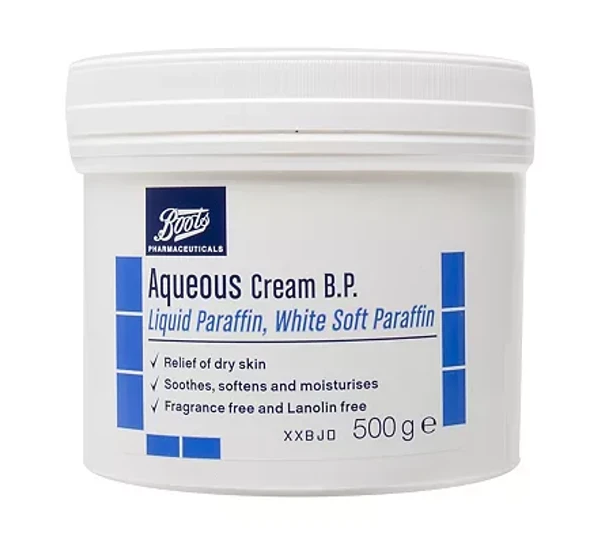
Aqueous Cream
Figure 1.4: Aqueous Cream by Boots Pharmacy

The active ingredients in some cosmetic products, such as Aqueous Cream, prolong the lubricity of lubes by reducing the absorption of the moisture within lube inside the fist chute.

Traditional Bases

When more than one traditional base is used in the preparation of lube, the proportions used will classify the base as an additive, a supplemental base, or a dual base.

These proportions and classifications are arbitrary. Fist Theory uses 15/85 and 50/50 as the identifying thresholds. When bases are used in the same proportions (50/50), they are dual bases. Any ratio less than 15/85 is considered an additive, while anything else is supplemental.

When two bases are used and the second base is an additive, only a few of its properties are manifest in the final concoction. For example, using a squirt of silicone lube in a recipe will increase a lube's shelf life, but will not have the distinct lubricity of pure silicone lube. In this case, the volume of silicone is less that 15%; therefore, it is considered an additive.

Image Description in Title Case
Figure 1.5 [ A - D ]: Secondary Bases Versus Bases as Additives

When two bases such as a PEO (X lube) and a lipid (Crisco) are used, the ratio determines if one of the bases functions as an additive or if it functions as a dual base.

VOCABULARY

Traditional Base

  1. Noun Phrase In single-base lubrication recipes, the only base; typically a lipid or alphabet lube

Dual Base

  1. Noun Phrase One of the two bases in recipes with bases mixed together in equal proportions (50/50)

Supplemental Base

  1. Noun Phrase In recipes with multiple bases, any base that is less than 50% percent of the base ratio but greater than 15% of the base ratio.

Functional Properties

Additives can be categorized according to the properties they introduce to the lubrication. These properties generally fall into four categories:

  • Physical | Includes properties observed by the physical senses: sight, smell, taste, and touch.
  • Physiological/Sensory | Introduces sensations within the hole such as numbing, temperature perception, and anti-inflammation.
  • Neurological | Modifies brain chemistry and alters perceptive abilities.
  • Antimicrobial | Decreases rapid colonization by microbials and may reduce the spread of infections.

Some additives are very limited in scope and introduce a single functional property. Other additives are very potent and introduce multiple properties. For example, Clove adds thermal properties, antimicrobial properties, aromatic properties, anti-inflammatory properties and analgesic properties.

Physical Properties

In most cases, additives are used to create physiological responses within the hole. For example, menthol is often used to numb the fist chute, but it may also modify the lube's scent, flavor, color, and texture. Physical changes are often unintentional and include:

  • Scent (Aromatic) | Scent changes are usually introduced by additives that have analgesic or anti-inflammatory properties. Clove, which smells woodsy with hints of ginger, is added to numb the hole, decrease inflammation, trigger a tingling sensation, and hamper microbial growth.
  • Taste (Gustative) | Taste and smell are closely linked senses. As such, taste changes often occur with scent changes. In some cases, specific flavor profiles can be added, such as strawberry or cherry. In other cases, general gustative receptors are activated (saltiness, bitterness, sweetness, sourness, or meatiness).
  • Feel (Texture/Consistency) | Texture modification is frequently caused when a second base is used as an additive. Dual-based lubes usually feel silkier than single-base lubes.
  • Look (Appearance/Coloration) | With the exception of luminescent additives, changes in appearance (usually opacity) are byproducts of other additive changes. Adding color that masks bleeding is not recommended.
Image Description in Title Case
Figure 1.6 [ A - F ]: Physical Properties of Additives

Additives can change the way we perceive lube, including coloration, odor, texture, and taste.

Physiological Properties

Additives are primarily* used to improve fisting experiences by altering physiological responses to stimuli. These types of additives can be grouped into three general categories:

  • Therapeutic | These additives provide relief to tissues damaged by fisting:
    • Anti-inflammatories decrease swelling by suppressing prostaglandins; pain decreases as a result
    • Reparatives supply materials that help repair irritated tissues
    Common examples of reparatives include clove and Vitamin E.
  • Analgesics | These additives block transmission of pain signals to the brain.
  • Somatic | These additives stimulate nerves and trigger rapid signals to the brain. In some cases, the end result is pleasurable, and, in some cases, the end result is irritable. Common manifestations include:
    • Thermal Perception (sensations of warmth or coolness)
    • Paresthesia (tingling)

* Changes to physical properties and extending shelf life are usually secondary considerations of additives.

Image Description in Title Case
Figure 1.7 [ A - C ]: Physiological Effects of Additives

Additives can affect how the fist chute reacts to fisting, including suppressing inflammation, blocking pain, and stimulating chemical receptors that trigger tingling or temperature sensation.

Antimicrobial Properties

Certain additives may slow microbial growth in lubes; however, there are very few studies related to antimicrobial ingredients used in rectal intercourse. Available studies document the difficulty of assessing infections related to lubrications.1

Neurological Properties

Some chem fisters mix illicit drugs into their lubrications that alter mental states.

QUICK REFERENCE

Apart from overdosing concerns related to bypassing first-pass metabolism, some substances, especially crystal meth (T), weaken, destroy, and scar the mucosal membrane. A compromised membrane increases perforation risks.

The active ingredients in marijuana oils (CBD and THC) may have other medicinal values beyond alteration of mental status but should be used with caution.

Health Considerations

Additives, by definition, are not inert. Fisters utilize them to alter the way cells and tissues function. At a cellular level, they can have detrimental health consequences including allergic responses, tissue damage, diminished organ function, and cancer. They can also increase injuries from risky activities and behavior.

Tissue and Organ Damage

Pharmaceutical additives contain many compounds that are "harmless" to skin cells but are fairly toxic to more sensitive cells inside the body. When these compounds are absorbed through the rectum and colon, they bypass evolutionary mechanisms that decrease their potency. These compounds wreak havoc on various organ systems:

  • Rectum and Colon | Direct exposure to caustic agents can cause burns and may weaken the intestinal lining. This increases the likelihood for tears, perforation, and cancer mutations. Additionally, anesthetic additives may decrease sensation and increase mechanical injuries from fisting itself, including tearing, bruising, and excessive tissue sloughing.
  • Kidneys | Nephrons, the functional unit of the kidney, are damaged while attempting to excrete certain additive agents. Additionally, the kidneys can be damaged by rapid changes in blood velocity.
  • Heart and Blood Vessels | Rapidly dilating and constricting vessels occur as the body is exposed to certain additives and the hormones that the body uses in an attempt to regulate the effects of additives. Increased risk of vessel damage, vessel blockage, and heart attack are possible outcomes.
  • Liver | Active ingredients that were not initially catabolized in the small intestine can trigger damage to liver cells. Permanent liver cell damage (cirrhosis) occurs with inflammation triggered as the liver metabolizes toxic agents.

Many of the tinctures added to fisting lubricants are known for their antimicrobial, anti-inflammatory, analgesic, or mild preservative properties. However, the amount required for these effects is much greater than what the sensitive tissues of the rectum and colon can safely tolerate. For instance, to meaningfully prevent microbial contamination, an additive would typically need to make up 1–5% of the total volume of the lubricant. In contrast, most recipes include only a few drops—usually less than 0.01% of the mix. While such trace amounts may offer minor short-term antimicrobial effects, they provide little lasting protection. Increasing the dose enough to be effective would instead risk irritation, burning, or even chemical injury to mucosal tissue. The charts and tables in this course describe the functional properties of various lubrication additives, but it’s important to remember that these benefits may not be apparent in your formulation when the tincture’s concentration is too low relative to the total volume.

Allergic Reactions

Lubrication and additives absorbed directly into the bloodstream can trigger unexpected immune responses.

Once the immune system encounters unexpected molecules, it will begin creating antigens to attack and remove potentially harmful invaders. In most cases, the immune response is minimal. In other cases, rashes, itching, swelling, fatigue and malaise may all be manifested.

Compromised Judgement

Additives can affect judgement and increase risk tolerance through psychological, physical, or physiological means:

  • Physiological | Chems used as additives can alter cognitive processing centers of the brain. Pain is often masked. Stimulated pleasure centers within the brain encourage fisters to 1) extend sessions beyond rationale session durations, and 2) attempt riskier fisting activities such as extreme depth play.
  • Physical | Analgesic, somatic, and anti-inflammatory additives may decrease pain or the perception of pain. This decrease allows fisters to continue playing when normally they would stop activities that are causing injury to the fist chute.
  • Psychological | Placebo effects with additives are common. Myths and misinformation provide false courage, which often leads to attempting advanced activities beyond the hole's present capabilities.

Fister's with increased risk tolerance are more likely to engage in extreme fisting, including advanced depth exploration, rapid pistoning, intense stretching, and vigorous punch play. These activities usually require months or years of hole conditioning to execute safely without injury.

Numbing Agents - Dr. Carlton[ 1 ]YouTube Logo

Off-label Usage

Most additives are topical and are not formulated for rectal use. Very few studies exist regarding rectal application in quantities associated with fisting. With that in mind, consider the following regarding frequently used additives:

  • Dosage | When formulating topicals for skin, manufacturers must increase dosages to accommodate for loss due to skin impermeability. In other words, they must include higher dosages of active ingredients because your external skin only absorbs a small percentage of those ingredients. You may be inadvertently overdosing when using rectally.
  • Route | When a topical is absorbed rectally, there is no first-pass effect to reduce existing dosages to non-toxic levels. You may be causing substantial kidney and liver damage.
  • Studies and Tests | There are few studies that evaluate harmful side effects of rectal use. Those studies that do exist do not typically consider the quantity of additive used with fisting and thus, do not give accurate data regarding health effects.
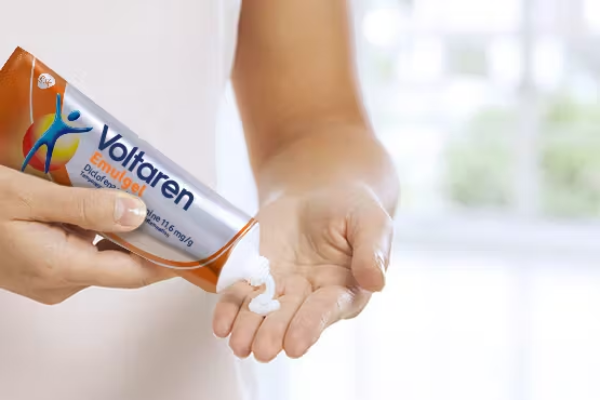
Applying Voltaren Incorrectly
Figure 2.1: Incorrect Application Strategy

According to the manufacturer, you shouldn't apply Voltaren gel with a bare hand due to concerns regarding excess absorption in a specific area.

Case Study: Off-label Usage of Voltaren Gel

A common additive used by many fisters is Voltaren Gel. The generic name for Voltaren gel/cream is diclofenac sodium.

Diclofenac is an NSAID (like ibuprofen) and thus, nephrotoxic at high levels. Oral diclofenac interacts with dozens of medications and older literature suggests links to heart attacks and strokes (although these symptoms are not listed in current US databases).

The manufacturer indicates only 6% of the active ingredient is absorbed through the skin, prohibits application of more than eight grams to a single area within a 24-hour period, and limits total application to just 32 grams per day. Absorption in the rectum is much higher than 6%, so the limitations set for topical application are too large. Cutting recommended daily allowances in half is highly problematic.

Fisters use about 5 grams for hole application and up to 15 grams (15 mL / 1 tablespoon) in lube application. Based on rectal absorption rates compared to skin, this exceeds recommended allowances. The likelihood of absorbing enough of diclofenac sodium to cause noticeable kidney damage and severe side effects with long term use is elevated, especially with no first-pass effect.

Quick Reference Table

Additive Characteristics and Properties

Unfortunately, content development for this section is incomplete. Please return in the future.

Additive Derivation Functional Properties Active Ingredient Notes/Warnings
Tincture Cosmetic Pharmaceutical Lubrication Bases Anti-inflammatory Antimicrobial Analgesic Appearance/Coloration Aromatic Cognitive / Neurological Paresthesia (Tingling) Reparative Taste Thermal Perception Texture/Consistency
Absorbine 5 6 7 8 9 10 11 12 13 14 15 16 17
Aloe Acemannan, Glucomannan
Alphabet Lubes PEG/PEO
Anusol 5 6 7 8 9 10 11 12 13 14 15 16 17
Aqueous Cream 5 6 7 8 9 10 11 12 13 14 15 16 17
Aspercreme 5 6 7 8 9 10 11 12 13 14 15 16 17
Avocado Oil Vitamins A, D, E
Bag Balm 5 6 7 8 9 10 11 12 13 14 15 16 17
Bengay Menthol, Methyl Salicylate,
CamphorB, LidocaineB
|
Benzocaine 5 6 7 8 9 10 11 12 13 14 15 16 17
Calendula 5 6 7 8 9 10 11 12 13 14 15 16 17
Camphor Camphor (Turpentine) | |
Capsaicin 5 6 7 8 9 10 11 12 13 14 15 16 17
CBD 5 6 7 8 9 10 11 12 13 14 15 16 17
Chili Oil 5 6 7 8 9 10 11 12 13 14 15 16 17
Chlorhexidine Chlorhexidine Gluconate |
Citrus Oil 5 6 7 8 9 10 11 12 13 14 15 16 17
Clove Oil Eugenol
Coconut 5 6 7 8 9 10 11 12 13 14 15 16 17
Cornhusker's Lotion 5 6 7 8 9 10 11 12 13 14 15 16 17
Dandelion 5 6 7 8 9 10 11 12 13 14 15 16 17
Diclofenac Gel Diclofenac Sodium | |
Eucalyptus Oil 5 6 7 8 9 10 11 12 13 14 15 16 17
GlycerinA Glycerin
Gums / Polysaccharides Xanthan, Guar, etc.
Jojoba Oil 5 6 7 8 9 10 11 12 13 14 15 16 17
Lanacane 5 6 7 8 9 10 11 12 13 14 15 16 17
Lanolin 5 6 7 8 9 10 11 12 13 14 15 16 17
Lavender Oil 5 6 7 8 9 10 11 12 13 14 15 16 17
Licorice Oil Glycyrrhizin, Licochalcone A, Glabridin |
Lidocaine 5 6 7 8 9 10 11 12 13 14 15 16 17
Menthol Menthol  
Mentholatum Menthol, Camphor, Eugenol, Thymol | |
Melaleuca Oil Terpinen-4-ol, α-Terpineol, Linalool, Terpinolene |
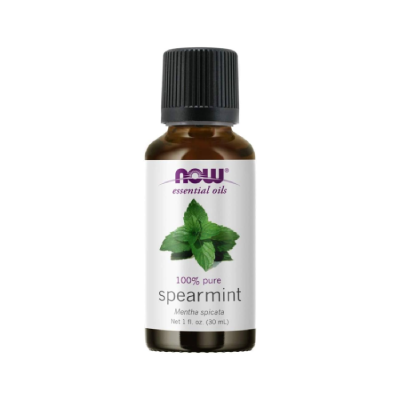
Mint Oil Menthol, Menthone  
Peppermint Oil Menthol, Menthone  
Pre-mixed Fisting Lubes Various Lube Specific
Preparation H 5 6 7 8 9 10 11 12 13 14 15 16 17
Riboflavin (B2) Riboflavin Molecule
Shea Butter 5 6 7 8 9 10 11 12 13 14 15 16 17
Silicone Silicone
Spearmint Oil Menthol, Menthone  
Tea Tree Oil Terpinen-4-ol, α-Terpineol, Linalool, Terpinolene |
Tiger Balm 5 6 7 8 9 10 11 12 13 14 15 16 17
THC Oil 5 6 7 8 9 10 11 12 13 14 15 16 17
Voltaren Gel Diclofenac Sodium | |
Witch Hazel Hamamelitannin, Gallic Acid, Proanthocyanidins
Table 3.1: Common Additives in Handcrafted Lubes

Various additives can add new properties to lube bases to enhance the fisting experience.

  1. Glycerin has multiple sources: Food-grade Extract, Cosmetic Creams, and Glycerin-based lubes
  2. Available in specific, but not all formulations/products.
Legend

  Application Site Reactions (Burning, Swelling)

  Allergic Reactions (Localized)

  GI Issues (Diarrhea or Constipation)

  Liver Damage (Hepatotoxicity)

  Kidney Damage (Nephrotoxicity)

  Anaphylactic Reactions (Severe Allergies)

  Seizure

  Impaired Breathing

  Thrombotic Events (Stroke, Heart Attack)

  | Separates minor and severe side effects

Use to convert + to checkmarks once table is complete:

Protocols

Protocols include standard practices and etiquette followed by the majority of the fisting community. Typically, these are things that new fisters pick up over time.

Etiquette

Etiquette refers to how you treat others in a specific fisting scenario. There is one etiquette guideline related to lubrication additives.

Additive Index

In this section: Additives | Watchdog Databases

Additives

The following non-comprehensive list includes common and rarely used additives in fisting lubes. Additional information regarding the chemical properties of additives and lubrication bases is available in several Fist Theory education courses.

 
Additive Filter

All Additives

Alphabetical Reference Listing (All)

Derivative Listing (All)

RULES

  1. List item in multiple categories used equally
  2. List item in single category if used almost exclusively
  3. Table should match alphabet but not by category
  4. Must show up minimum of 5
  5. Can show up in 5, 7, 9

Tinctures

Cosmetics

Supplemental / Dual Bases

Analgesics

Anti-inflammatories / Swelling

Reparatives

Appearance / Coloration Additives

Dying lubes can be problematic because the skin can absorb coloring agents. Body safe coloring agents are preferred over food coloring.

Another concern for dying lube is the chance that a coloring agent can mask bleeding intensity during play.

Derivative Listing

  • Tinctures
  • None
  • Pre-mixed Fisting Lubes
  • None

Feel (Texture/Consistency)

Thermal Perception

Paresthetics (Tingling)

Shelf Life / Antimicrobial

Neurological

It is unwise to add neurological agents as lubrication additives because of the high risk of overdose due to the absence of the First-Pass Effect in drug metabolism. Cognitive effects of neurological agents are addressed in Fist Theory's pharamacuetical courses.

THC and CBD are occasionally delivered via suppository and are the only cognitive additives discussed in this course.

Derivative Listing

Key / Legend

Aloe

Aloe is a gel-like extract derived from the inner portions of Aloe vera leaves, valued for its cooling, moisturizing, and reparative effects on skin and mucosal tissue. It is a common additives in both cosmetic and medical preparations, but rarely used in fisting lube.

C | P Cosmetic | Pharmaceutical

Aloe

Anti-inflammatory and Reparative

Aloe Gel Aloe Plant Aloe Extract
Data Sheet
  • Derivation: Cosmetic | Pharmaceutical
  • Primary Purpose: Decreases level of discomfort in fist chute by reducing swelling.
  • Secondary Purpose: Stimulates cell and mucosal regrowth/regeneration while moisturizing tissues.
  • Active Ingredients: Acemannan | Glucomannan
  • Health Concerns: Individuals with extremely sensitive skin may experience mild allergic reactions. Discontinue use if there is burning or irritation. Aloe is used as a laxative and excessive use may trigger bowel movements.
Functional Properties
  • Physical: Can create smooth or sticky texture, depending on amount used.
  • Physiological: Anti-inflammatory, Thermal Perception | Creates soothing coolness and decreases swelling.
  • Antimicrobial: None
  • Neurological: None
Tips
  • Amount | One tablespoon per 500 mL (2 cups) is sufficient to achieve desired purpose.
  • Compatibility | Some aloe products have substances that can stain fabrics and break down rubber and latex.

Alphabet Lubes

Alphabet (or PEO-based) lubes tend to increase spreadability when used as a supplemental base.

See Lubrication Bases: PEO.

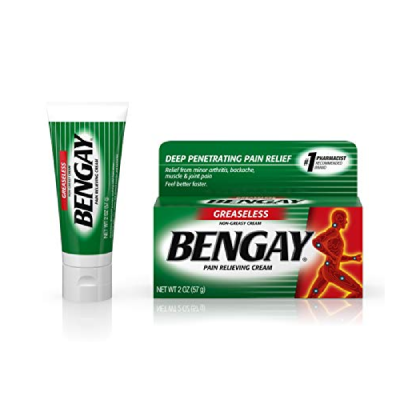
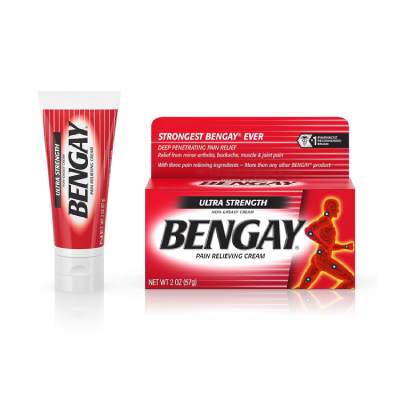
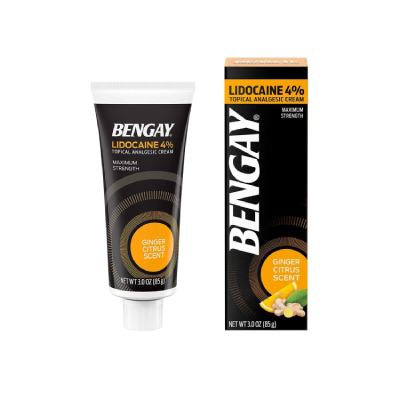
Bengay

Bengay is an ointment composed of menthol (10% - 16%) and methyl salicylate (18% to 30%). Methyl salicylate (an aspirin-like product) can cause hearing loss and is dangerous in high doses. Fifteen millliters (1 tbsp) at 30% concentration are equivalent to approximately 10-15 aspirin. A small tube is 30 mL (2 tablespoons).

PHARMACEUTICAL

Bengay

Thermal Perception and Paresthesia

Bengay Original Bengay Ultra-strength Bengay Lidocaine
Data Sheet
  • Derivation: Pharmaceutical
  • Primary Purpose: Introduces tingling and warm/cool sensations to the fist chute.
  • Secondary Purpose: Mildly decreases swelling. Confuses pain receptors to simulate temporary pain relief.
  • Active Ingredients: Menthol, Methyl Salicylate, Lidocaine*, and Camphor* (* limited to some formulations)
  • Health Concerns: May also cause some burning in mucosal tissue. May interact with medications contra-indicated with Aspirin. Overdosing can trigger breathing issues and coma. Apply only a minute amount to avoid serious health consequences, including death.
Functional Properties
  • Physical: Aromatic | Creates a menthol scent.
  • Physiological: Anti-inflammatory, Analgesic, Paresthesia & Thermal Perception | Causes warm and cold tingling sensations to mask pain. Provides minimal swelling relief. Directions advise external use only and avoiding broken skin to prevent unintentional overdose.
  • Antimicrobial: Antiseptic & Preservative | Impedes/hampers bacterial and fungal growth.
  • Neurological: None
Tips
  • Amount | Use no more than five milliliters (one teaspoon) directly or in lubrication recipes.
  • Toxicity | This additive is not recommended for internal use. Kidney damage and excessive bleeding may occur with frequent internal use.

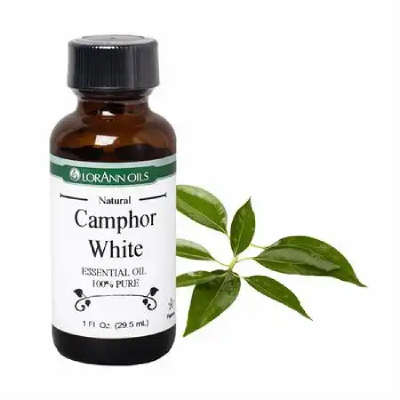
Camphor (Oil, Cream, Ointment)

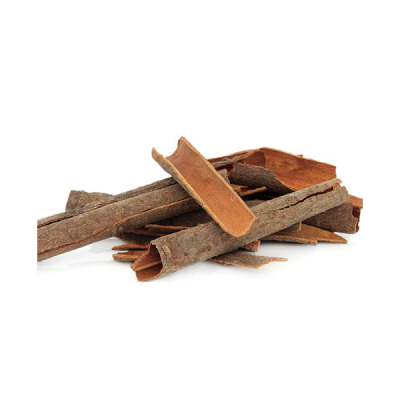
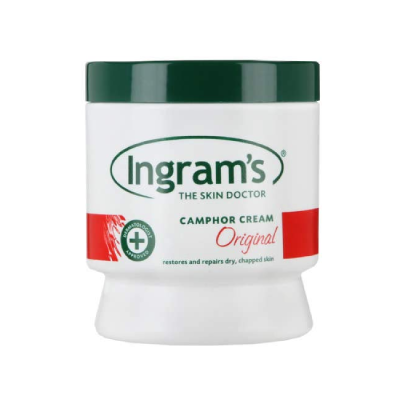
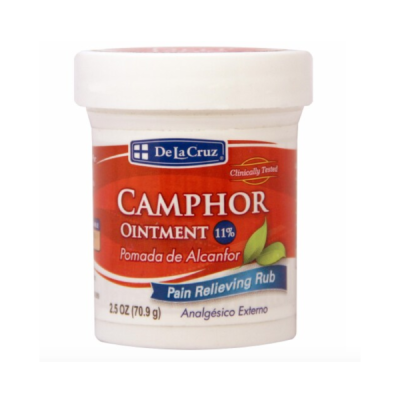
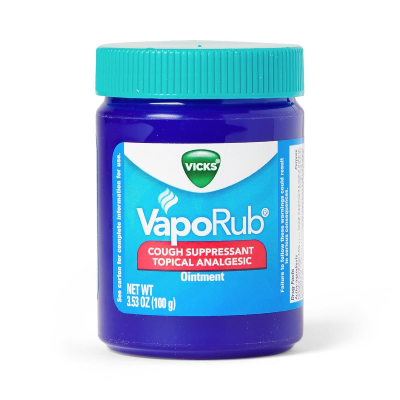
Camphor is an oil extract from the wood and bark of the camphor tree and is a potent and somewhat dangerous ingredient for fisting lubes. It can be obtained as an essential oil or from cosmetic and pharmaceutical products, such as Vicks Vapor Rub.

T | C | P Tincture | Cosmetic | Pharmaceutical

Camphor

Thermal Perception and Paresthesia

Camphor Ointment Camphor Cream Camphor Bark Camphor Oil
Data Sheet
  • Derivation: Tincture | Cosmetic | Pharmaceutical
  • Primary Purpose: Introduces tingling and warm/cool sensations to the fist chute.
  • Secondary Purpose: Creates woody aroma and provides some pain and swelling relief.
  • Active Ingredients: Camphor (from Turpentine)
  • Health Concerns: Can trigger seizures in individuals with epilepsy or history of seizure. May also cause extreme burning in mucosal tissue. Apply only a minute amount to avoid serious health consequences, including liver damage.
Functional Properties
  • Physical: Aromatic | Creates a woody, menthol scent.
  • Physiological: Anti-inflammatory, Analgesic, Paresthesia & Thermal Perception, Reparative | Decreases swelling and causes tingling sensations. Some documentation mentioned it helps heal tissues, but most advised that to never apply to mucosal membranes or broken skin.
  • Antimicrobial: Antiseptic & Preservative | Impedes/hampers bacterial and fungal growth.
  • Neurological: None
Tips
  • Amount | A single drop of oil per 500 mL (2 cups) is sufficient to achieve desired purpose. Use no more than three mL (one-half teaspoon) of ointment or cream in recipes.
  • Toxicity | This additive is not recommended for internal use. Camphor oil was withdrawn from US markets in the 1980s due to frequent poisoning.
  • Products | Camphor is a common ingredient in Vicks Vapor Rub and Bengay ointment.

Chlorhexidine

Chlorhexidine is a powerful antiseptic agent used commonly as preservative. It is often found in mouthwash and prescription mouthwash as well as in hand cleansers and body washes for bedridden patients.

PHARMACEUTICAL

Chlorhexidine Gluconate

Antimicrobial and Paresthesia

Prescription Mouthwash Listerine Hibiclens
Data Sheet
  • Derivation: Pharmaceutical
  • Primary Purpose: Prevents microbial colonization or spread by destroying the cell membrane of bacteria and fungi.
  • Secondary Purpose: May cause paresthesia and analgesia.
  • Active Ingredients: Chlorhexidine Gluconate
  • Health Concerns: Can alter the natural microbiome of fist chute, especially with regular use or with depth fisting.
Functional Properties
  • Physical: None
  • Physiological: Analgesia, Paresthesia | May cause slight tingling and provide very mild pain relief by affecting nerve cell transmissions.
  • Antimicrobial: Antiseptic & Preservative | Impedes/hampers bacterial and fungal growth.
  • Neurological: None
Tips
  • Amount | A single drop per 500 mL (2 cups) are sufficient to achieve desired purpose.
  • Toxicity | This additive is not recommended for internal use.
  • Products | Chlorhexidine Gluconate is a common ingredient in mouthwash and Hibiclens.

Clove Oil

Clove oil is the most common additive used in hand made fisting lubes.

TINCTURE

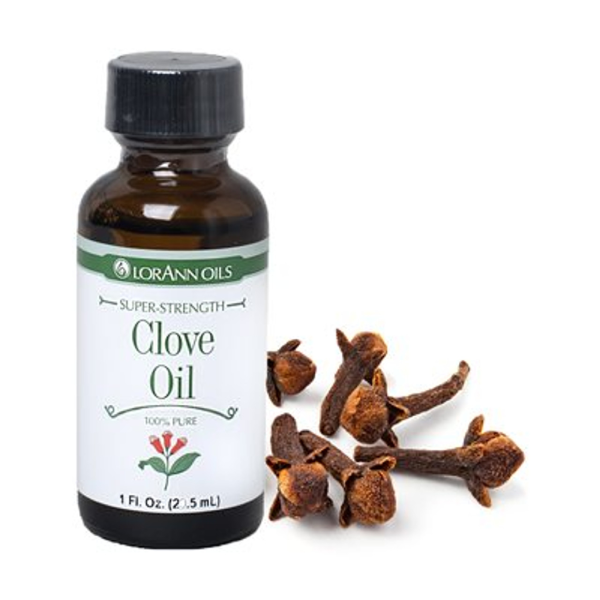
Clove Oil

Analgesic and Anti-inflammatory

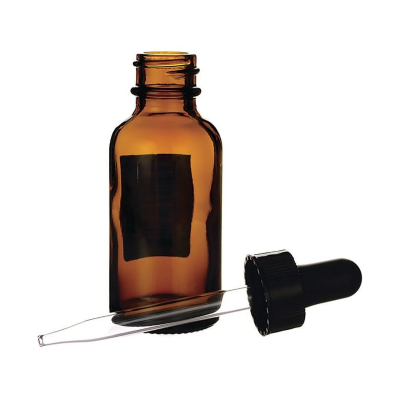
Dropper Clove Buds Clove Oil
Data Sheet
  • Derivation: Tincture
  • Primary Purpose: Decreases level of discomfort in fist chute by numbing tissues and reducing swelling.
  • Secondary Purpose: Introduce pleasant odor and increase shelf life.
  • Active Ingredients: Eugenol
  • Health Concerns: Individuals with sensitive skin or eugenol allergies may experience extreme burning sensation. Discontinue use if there is excessive burning or irritation.
Functional Properties
  • Physical: Aromatic & Flavorant | Creates strong holiday baking scent and flavor.
  • Physiological: Anti-inflammatory, Analgesic, Paresthesia & Thermal Perception | Numbs the hole, decreases swelling, and causes warm tingling sensations.
  • Antimicrobial: Antiseptic & Preservative | Impedes/hampers bacterial growth and may minimally decrease transmission risk.
  • Neurological: None
Tips
  • Amount | Three to five drops per 500 mL (2 cups) are sufficient to achieve desired purpose.
  • Cleanup | Ventilate room with open windows or place bowls of white vinegar in play area to remove odor in room. Be sure to wipe down objects that were in contact with this lubrication additive.
  • Cleanup | Scrub or wash toys, clothing, and contaminated objects with baking soda paste or white vinegar to remove residual odor.

Diclofenac Gel

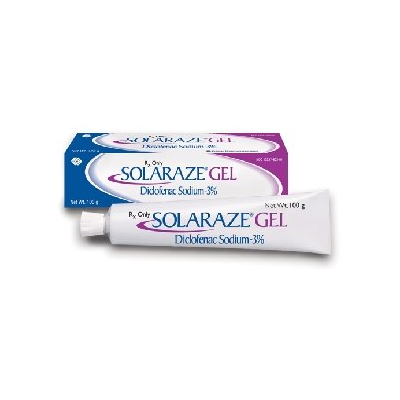
Diclofenac gel is a powerful anti-inflammatory ointment with mild numbing properties, meant for topical use only. Voltaren Cream and Solaraze Cream are non-generic forms of diclofenac gel.

A small dollop in the fist chute exceeds dosing limitations and will cause long term damage.

The manufacturer's label suggests no more than 32 grams be applied to skin cells daily and forbids internal use. Of the 32 grams in use, only 6% is absorbed in the skin due to the thick, layered nature of skin cells. In comparison, mucosal tissue of the fist chute will absorb significantly more. Assuming that the fist chute absorbs 50%, one fingernail-size dab is risky. Six percent of 32 grams is about 1.5 grams which is roughly 1-2 milliliters—about a small fingernail size dab.

PHARMACEUTICAL

Diclofenac Gel

Anti-inflammatory and Analgesia

Voltaren Solaraze Diclofenac Gel
Data Sheet
  • Derivation: Pharmaceutical
  • Primary Purpose: Decreases swelling in a wrecked hole.
  • Secondary Purpose: Mild numbing sensation in fist chute.
  • Active Ingredients: Diclofenac Sodium
  • Health Concerns: Will cause a short burst of burning immediately after application. Overdosing can trigger thrombotic issues such as heart attack and stroke. Extensive kidney and liver damage occur in off-label usage.
Functional Properties
  • Physical: None
  • Physiological: Anti-inflammatory, Analgesic | Blocks production of agents that cause inflammation and signal pain. Provides swelling relief. Directions advise external use only and avoiding broken skin to prevent unintentional overdose.
  • Antimicrobial: Antiseptic | Decreases but does not eliminate certain bacterial growth (E. coli and Staphylococcus aureus). Does not increase shelf life.
  • Neurological: None
Tips
  • Amount | Use no more than five milliliters (one teaspoon) directly or in lubrication recipes.
  • Toxicity | This additive is not recommended for internal use. Kidney damage and excessive bleeding may occur with frequent internal use.
  • Products: | Voltaren gel, diclofenac gel (generic name), and Solaraze are all diclofenac products.

Glycerine / Glycerine-based Lubes

Glycerine or glycerine-based lubes increase spreadability and decrease viscosity when used as a supplemental base.

See Lubrication Bases: Glycerine.

Licorice Oil

Licorice oil is derived from licorice root. It has a deeper, sophisticated flavor palate that is deeper than that of anise or fennel (the flavorant in licorice candy).

TINCTURE

Licorice

Antimicrobial and Anti-inflammatory

Licorice Candy Licorice Root Licorice Oil
Data Sheet
  • Derivation: Tincture
  • Primary Purpose: Prevents fungal and bacterial colonization.
  • Secondary Purpose: Decreases level of discomfort in fist chute by reducing swelling.
  • Active Ingredients: Glycyrrhizin | Licochalcone A | Glabridin
  • Health Concerns: Significant concern related to medication interactions, especially with blood pressure and heart medications. Can interfere with natural steriod levels within the body.
Functional Properties
  • Physical: Creates a woodsy, licorice scent and flavor.
  • Physiological: Anti-inflammatory | Decreases swelling by interacting with immune system.
  • Antimicrobial: Anti-microbial | Interferes with and impedes fungal and bacterial growth.
  • Neurological: None
Tips
  • Amount | Five drops per 500 mL (2 cups) are sufficient to achieve desired purpose.
  • Health | Avoid if you have any kidney issues, heart issues (including A-fib), or electrolyte imbalances (specifically potassium and sodium).
  • Consent | Notify your partner when licorice is an additive within your lube (for his health safety).

Menthol (Oil, Gel, Crystals)

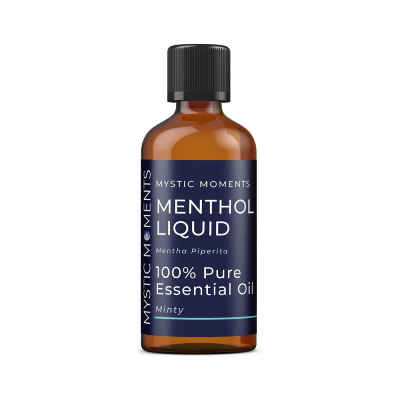
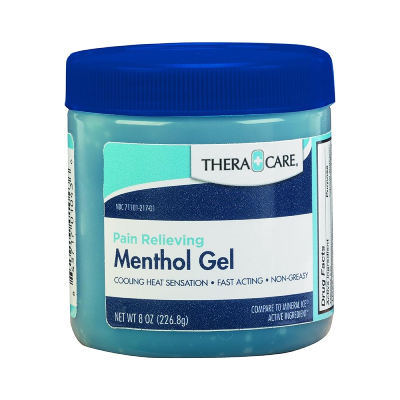
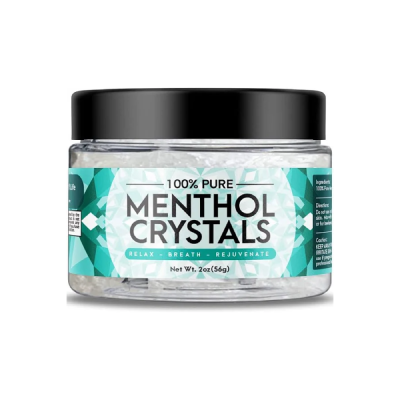
Menthol oil, gel, and crystals are numbing agents and not commonly used additives. Fisters are more likely to use a menthol cream, such as Mentholatum, or mint oil to add menthol to lube.

T | P Tincture | Pharmaceutical

Menthol

Analgesic and Thermal Perception

Mentol Cyrstals Menthol Gel Menthol Oil
Data Sheet
  • Derivation: Tincture, Pharmaceutical
  • Primary Purpose: Analgesic | Numbs the tissues of the fist chute.
  • Secondary Purpose: Thermal Perception and Paresthesia | Creates a cool sensation around the anus and a tingling sensation within the rectum.
  • Active Ingredients: Menthol
  • Health Concerns: Exposure may lead to irritation, rash, burning, and other symptoms associated with skin sensitivity.
Functional Properties
  • Physical: Scent, Taste | Creates a mint-like scent and taste.
  • Physiological: Analgesic, Paresthesia, Thermal Perception | Relieves pain by overwhelming the nervous system with other sensations (coolness and tingling).
  • Antimicrobial: None
  • Neurological: None
Tips
  • Amount | Use less than five or six drops per liter to prevent overstimulation that can reduce the length of a fisting session. Consumption of seven or more grams can result in poisoning.

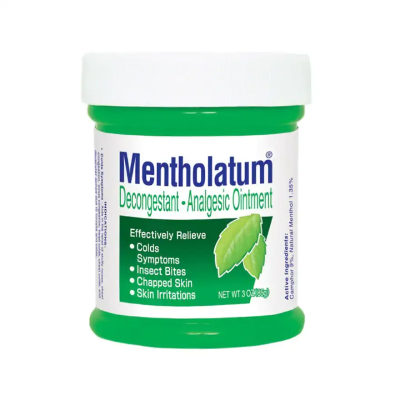
Mentholatum

Mentholatum is used topically to decrease pain, itching, and congestion. Mentholatum has many active ingredients, which may include menthol, camphor, eugenol, and thymol, which are mixed together in petrolatum. To add petroleum distillates to water-based lubes, specific mixing instructions, heat, or binders are needed.

PHARMACEUTICAL

Mentholatum

Analgesic and Thermal Perception

Vicks VapoRub Mentholatum
Data Sheet
  • Derivation: Pharmaceutical
  • Primary Purpose: Analgesic | Numbs the tissues of the fist chute
  • Secondary Purpose: Thermal Perception and Paresthesia | Creates a cool sensation around the anus and a tingling sensation within the rectum.
  • Active Ingredients: Menthol, Camphor, Eugenol, Thymol
  • Health Concerns: Exposure may lead to irritation, rash, burning, and other symptoms associated with skin sensitivity. Camphor is known to cause liver damage, stroke, and heart issues.
Functional Properties
  • Physical: Scent, Taste | Creates a mint-like scent and taste.
  • Physiological: Analgesic, Paresthesia, Thermal Perception, Reparative | Relieves pain by overwhelming the nervous system with other sensations (coolness and tingling). Reduces swelling and promotes some healing.
  • Antimicrobial: Antiseptic & Preservative | Impedes/hampers bacterial and fungal growth.
  • Neurological: None
Tips
  • Amount | A large dollop mixed within lube may cause overstimulation. Use 5 -10 mL max. See Camphor and Menthol for overdosing considerations.
  • Application | Do not apply pure Mentholatum directly to the mucosal membrane.
  • Ingredient Variations | Not all mentholatum-type products have the same ingredients. For example, Vicks VapoRub also includes nutmeg, cedarleaf, and turpentine oils.

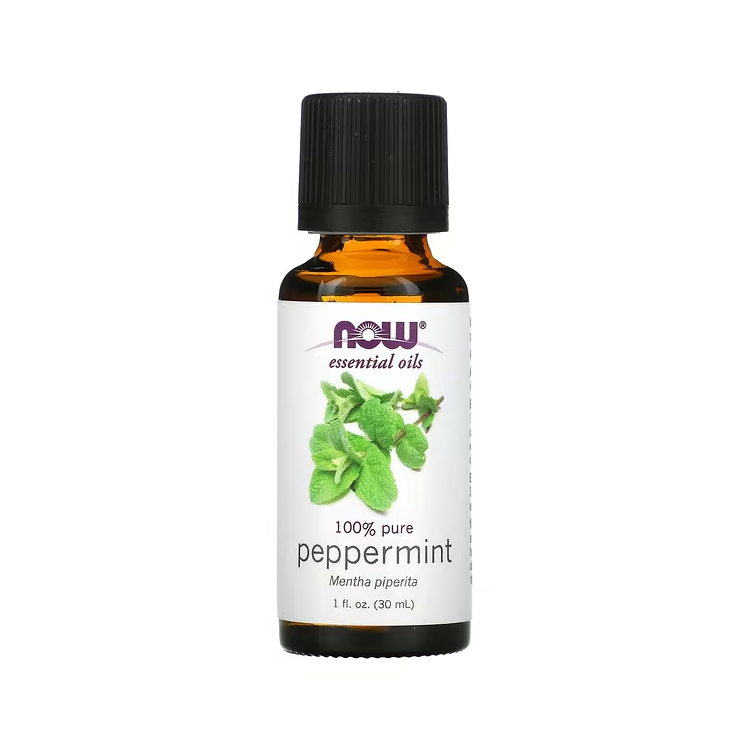
Mint Oil

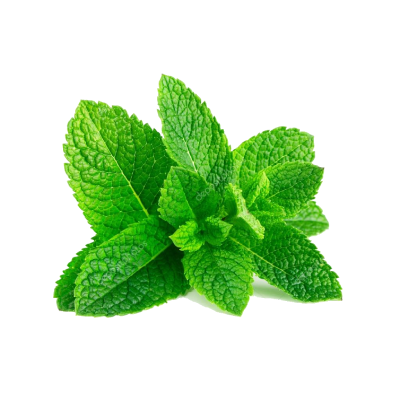
The primary active ingredients in mint oil include menthol and menthone. The menthone is responsible for the pleasant tastes and aroma of peppermint and spearmint.

Tincture

Mint Oil

Aromatic and Thermal Perception

Mint Leaf Spearmint Oil Peppermint Oil
Data Sheet
  • Derivation: Tincture
  • Primary Purpose: Aromatic | Creates a pleasant, mint scent.
  • Secondary Purpose: Thermal Perception, Analgesic, Paresthesia | Creates a cool sensation, numbs the fist chute, and triggers tingling inside the hole.
  • Active Ingredients: Menthol, Menthone
  • Health Concerns: Exposure may lead to irritation, rash, burning, and other symptoms associated with skin sensitivity.
Functional Properties
  • Physical: Scent, Taste | Creates a mint-like scent and taste.
  • Physiological: Analgesic, Paresthesia, Thermal Perception | Relieves pain by overwhelming the nervous system with other sensations (coolness and tingling).
  • Antimicrobial: Antiseptic & Preservative | Reduces/limits some bacterial and fungal growth.
  • Neurological: None
Tips
  • Amount | Use less than five or six drops per liter to prevent overstimulation that can reduce the length of a fisting session. Consumption of seven or more grams can result in poisoning.
  • Potency | Peppermint has higher potency levels than spearmint. Less oil is needed to obtain similar results.

Riboflavin B2

Riboflavin (Vitamin B2) is a water-soluble vitamin that is manufactured industrially through the fermentation of fungi or bacteria. It creates a neon yellow or orange glow under black lights.

C | P Cosmetic | Pharmaceutical

Riboflavin

Appearance and Coloration

Riboflavin Powder Riboflavin Vitamin
Data Sheet
  • Derivation: Cosmetic | Pharmaceutical
  • Primary Purpose: Causes lube to glow under black ligths.
  • Secondary Purpose: None
  • Active Ingredients: Riboflavin
  • Health Concerns: Individuals with extremely sensitive skin may experience mild allergic reactions. Discontinue use if there is burning or irritation. It is extremely rare, but riboflavin can trigger diarrhea. It can also cause yellow or orange urine when absorbed in excess.
Functional Properties
  • Physical: Neon yellow or orange coloration.
  • Physiological: None
  • Antimicrobial: None
  • Neurological: None
Tips
  • Amount | Experiment with the amount of powder in your lubrication.
  • Acquistion | Purchase powder riboflavin rather than crushing Vitamin B2 pills. There are binders and fillers in pills that should not be added to your lube.

Silicone / Silicone-based Lubes

Silicone and silicone-based lubes provides some preservatives and increases spreadability when used as a supplemental base.

See Lubrication Bases: Silicone.

Tea Tree Oil

Tea tree oil is one of three oils derived from Melaleuca trees. It is freequently used in shampoos and soaps for its aromatic and paresthetic (tingling) properties.

Tincture

Tea Tree Oil

Anti-inflammatory and Thermal Perception

Tea Tree Leaf Tea Tree Oil Tea Tree Soap
Data Sheet
  • Derivation: Tincture
  • Primary Purpose: Aromatic | Creates a pleasant, woodsy scent.
  • Secondary Purpose: Thermal Perception, Paresthesia | Creates a warm sensation and may trigger tingling inside the hole.
  • Active Ingredients: Terpinen-4-ol, α-Terpineol, Linalool, Terpinolene
  • Health Concerns: Exposure will likely lead to irritation or burning and other symptoms associated with skin sensitivity. Elevated exposure can damage kidney and liver cells and affect function.
Functional Properties
  • Physical: Scent | Creates a pleasant, woodsy scent.
  • Physiological: Paresthesia, Thermal Perception, Anti-inflammatory | Decreases swelling and relieves pain by overwhelming the nervous system with other sensations (warmness and tingling).
  • Antimicrobial: Antiseptic & Preservative | Reduces/limits some bacterial and fungal growth.
  • Neurological: None
Tips
  • Amount | Use less than five or six drops per liter to prevent overstimulation that can reduce the length of a fisting session. Consumption of seven or more grams can result in toxic poisoning.
  • Irritation | Tea tree oil is a strong irritant. Most fisters avoid its use because it can severely irritate the hole with just a few drops.

Witch Hazel (Liquid, Cream)

Witch hazel is made from the twigs and bark of Hamamelis virginiana, the witch hazel shrub. It is often used for hemorrhoidal treatment by reducing swelling and constricting blood vessels; however, this ability comes with an intense sting, similar to when hydrogen peroxide or alcohol is poured on an open wound. Pure witch hazel is a liquid that can be purchased at drugstores and pharmacies.

T | C | P Tincture | Cosmetic | Pharmaceutical

Witch Hazel

Anti-inflammation and Reparative

Distilled Witch Hazel Preparation H with Witch Hazel Witch Hazel Plant and Bark Witch Hazel Tincture
Data Sheet
  • Derivation: Tincture | Cosmetic | Pharmaceutical
  • Primary Purpose: Decreases swelling while fisting.
  • Secondary Purpose: Expidites the restoration of fist chute for extended fisting experiences.
  • Active Ingredients: Hamamelitannin, gallic acid derivatives, proanthocyanidins
  • Health Concerns: Creates intense stinging if not mixed with other ingredients that diminish the potency of the active ingredients. Apply only a minute amount to determine your hole's tolerance.
Functional Properties
  • Physical: None
  • Physiological: Anti-inflammatory, Antistringent, Reparative | Decreases swelling by constriction tissues and vessels.
  • Antimicrobial: None
  • Neurological: None
Tips
  • Sampling | Avoid lubes with witch hazel until the session is nearing completion. If the hole responds unfavorably, your sessions ends. Early use of witch hazel could mean that you must abort the session prematurely.
  • Sting Reduction | Witch hazel may work best when coupled with soothing agents such as Aloe.

Additive

Information regarding the additive is presented in the following format.

DERIVATION

CODE

Additive Name

Primary Purpose(s)

Data Sheet
  • Derivation: Derivation Source
  • Primary Purpose: Purposes
  • Secondary Purpose: Purposes
  • Health Concerns: Health-related Issues
Functional Properties
  • Physical: Scent, Taste, Texture, and Appearance | Description of new physical properties obtained when added to lube
  • Physiological: Therapeutic, Analgesic, and Somatic | Description of physiological modifications within the fist chute
  • Antimicrobial: Antiseptic and Preservative | Description of antimicrobrial benefits
  • Neurological: Psychotropic | Description of alteration in neurological perceptions

Watchdog Databases

The following two databases provide basic information about additives in lubrications.

EWG Database
Figure 4.1: Environmental Working Group - Skin Deep

The Environmental Working Group (EWG) Skin Deep database provides information about the safety and health effects of ingredients in personal care products. It educates consumers about ingredients to avoid and encourages manufacturers to prioritize ingredient safety and transparency.

INCI
Figure 4.2: INCI Decoder

The International Nomenclature of Cosmetic Ingredients (INCI) Decoder provides information about ingredients that includes common names for the ingredients, their functions in the product, their source or origin, and any relevant safety or regulatory information.
Content Development

The following material is under consideration in the development of this topic:

Objectives

Upon completing this course, the student will be able to:

  • Give three reasons for adding additives to your lubricant.
  • Explain why some additives may cause short- and long-term health concerns.
  • Recite one etiquette protocol related to lubrication additives.

Note: Objectives should follow instructional design standards and be easily measurable with little ambiguity.

Supplemental Content

Blog Articles

  • My Arm Is Burning!

F2 Promotional Materials

  • Thursday Erotica/Neurotica: N/A
  • Skills: N/A
  • Protocols:
    • Disclose Lubrication Contents
  • FWOTD:
    • Apothecary
    • Tincture
    • Paresthesia

Outline (Proposed)

  • Additive Classifications
  • Derivation
  • Tinctures
  • Pharmaceuticals
  • Cosmetics
  • Traditional Bases
  • Functional Properties
  • Physical Properties
  • Physiological Properties
  • Antimicrobial Properties
  • Neurological Properties
  • Health Considerations
  • Tissue and Organ Damage
  • Allergic Reactions
  • Compromised Judgement
  • Off-Label Usage
  • Case Study: Off-label Usage of Voltaren Gel
  • Quick Reference Table
  • Protocols
  • Etiquette
  • Disclose Lubrication Ingredients (Additives)
  • Additive Index
  • Additives
  • Supplemental Resources

F2 Resources

These individuals have indicated they continue fisting with this condition:

  • N/A

Brain Dump - Staging Area

          What is considered an additive
          Why do fisters add additives to their lubes
          Why do fisters play with additive-free lubes
        

Publication Quick Links

Toolkit | Nu HTML Checker